Knee braces fall into three widely used medical categories—prophylactic, functional, and rehabilitative—and each category matches a different “knee status” (healthy, unstable/injured, or early post-surgery).
Athletes and patients get better results when they pick the brace based on the structure at risk (for example the MCL during valgus contact, or an ACL-deficient knee during pivoting) rather than choosing by “feel” or generic sizing.
This guide breaks down what each category is designed to do, who typically uses it, and what to ask a clinician or sports-medicine professional before buying.
Key Takeaways
-
The three main types of knee braces are prophylactic, functional, and rehabilitative. Each one serves a different purpose based on whether the knee is healthy, injured, or healing after surgery.
-
Selecting the right knee brace depends on your condition and activity level. Professional guidance is important to avoid choosing a brace that may not match your needs or delay proper treatment.
-
Knee braces are most effective when used alongside a full recovery plan. They should be paired with physical therapy, muscle strengthening, and proper technique for the best long-term results.
What Does a Knee Brace Do, In Simple Terms?
A knee brace acts as an external support system for your knee. It does not replace the work of your muscles or ligaments, but it provides additional support when your knee is healing, injured, or under increased stress.
The main job of any knee brace is to assist with joint stability. Depending on the design, it can help keep your knee aligned, limit unsafe movements, or provide gentle compression for comfort and control.
At a basic level, a knee brace can:
-
keep your knee in the proper position during movement
-
reduce twisting, hyperextension, or side-to-side shifts that might cause pain or damage
-
improve your awareness of how your knee is moving, which can help with balance and coordination
Each type of brace offers a different level of support. The option that is right for you depends on your condition, activity level, and recovery goals. Whether you're protecting a healthy joint or recovering from surgery, a properly chosen knee brace can play a helpful role in keeping your knee safe.
Modern knee braces are widely used across sports, postoperative rehabilitation, and arthritis care. The global knee brace market was valued at approximately $2.0 billion in 2024 and is projected to reach $2.7 billion by 2030, growing at a 5.2% CAGR.
How Are Knee Braces Classified Medically?
The AAOS-style clinical framing groups knee braces by what they are meant to accomplish: prevent ligament injury in a stable knee (prophylactic), stabilize an already-injured or ligament-deficient knee (functional), or limit motion during early healing after injury/surgery (rehabilitative).
Using the function-based categories keeps the decision tied to a standard clinical goal—prevention, stability, or controlled rehabilitation—rather than marketing labels like “sports brace” or “compression support.”The three main types are:
-
Prophylactic braces
-
Functional braces
-
Rehabilitative braces
Each type plays a distinct role depending on whether the knee is healthy, injured, or healing. These categories are widely used in sports medicine and post-surgical care to guide treatment decisions.
You may also hear about unloader braces, often used for knee osteoarthritis. While useful, these are generally considered a subtype of functional braces rather than a separate category.
Let’s look at what makes each type unique and when it might be the right choice.
Type 1: Prophylactic Knee Braces (Injury Prevention)
Prophylactic knee braces are engineered specifically to protect healthy knees from impact injuries during contact sports. These braces feature rigid uprights designed to deflect valgus stress—forces that push the knee inward—which is the primary cause of Medial Collateral Ligament (MCL) tears in linemen and rugby players. By absorbing this impact force before it reaches the joint, the brace acts as a preventative shield, allowing athletes to compete with a reduced risk of season-ending ligament damage.
How They Work
These braces target a single mechanism: deflecting or absorbing valgus knee stress (forces that push the knee inward from a blow to the outer side). This type of impact commonly stresses the MCL.
Prophylactic braces utilize three specific mechanical functions to prevent injury:
-
Motion Limitation: They physically block excessive side-to-side (valgus) motion.
-
Force Distribution: They disperse high-impact energy across the thigh and calf pads.
-
Mobility Preservation: They utilize polycentric hinges to maintain running mechanics.
Who Uses Them
Prophylactic braces are most commonly worn by:
-
Offensive and defensive linemen in American football (collegiate and professional levels)
-
Rugby players in positions exposed to frequent direct knee contact
-
Athletes in collision sports where valgus blows are routine
These braces are not typically recommended for skill positions where speed and agility are paramount, as the added bulk can impair performance.
Design Features
Most prophylactic knee braces share these characteristics:
|
Feature |
Purpose |
|
Rigid single or dual metal uprights |
Create structural resistance to bending forces |
|
Polycentric mechanical hinges |
Allow natural flexion while blocking harmful motion |
|
Broad straps above and below joint |
Secure fit and force distribution |
|
Extended length (mid-thigh to mid-calf) |
Longer lever arms provide better MCL protection |
What the Evidence Shows
A 2023 retrospective study published in the American Journal of Sports Medicine found that NFL linemen wearing prophylactic braces, compared to 0.049 per player in unbraced linemen (P = .04). This represents a roughly 3.8-fold reduction in injury incidence.
Systematic reviews consistently show:
-
More reliable benefit for MCL protection than for ACL injury prevention
-
Benefits are position-specific, not universal across all sports or roles
-
Bracing does not replace proper strength training, conditioning, or technique
Pros and Cons
Let’s break down the key advantages and limitations:
Advantages:
-
May reduce the risk of MCL sprains in high-risk contact positions
-
Adds a sense of security during competition
-
Can be worn throughout a season without major inconvenience
Disadvantages:
-
May slightly reduce speed or agility for skill players
-
Not proven to prevent all ligament injuries (especially ACL)
-
Can be bulky and requires regular inspection for wear or damage
Practical Guidance
Prophylactic braces are most appropriate for athletes in high-risk contact sports—particularly football linemen—under the guidance of sports medicine professionals. They’re not necessary for casual recreational sports or positions with minimal direct knee contact.
Type 2: Functional Knee Braces (Support for Unstable or Reconstructed Knees)
Functional knee braces are designed to stabilize the knee joint after injury or surgery. Whether you're recovering from an ACL injury or managing chronic instability, these braces provide targeted support to reduce strain during movement. Among knee braces, functional braces are the most widely used in sports rehabilitation and postoperative recovery settings.
How They Work
Functional braces use rigid frames and precision hinges to control abnormal joint motion:
-
Limit anterior tibial translation – Prevent the shinbone from sliding forward relative to the thigh bone, which stresses the ACL or its graft
-
Reduce rotational instability – Control twisting movements that can damage healing ligaments
-
Resist valgus/varus forces – Provide side-to-side stability for MCL or LCL deficiencies
Some models are designed specifically for ACL deficiency, using strap configurations that resist forward tibial translation. Others address multiple ligament injuries or combined instabilities.
Who Uses Them
Functional braces are often prescribed for:
-
Athletes returning to sport after ACL reconstruction
-
People with chronic ligamentous knee injuries
-
Patients in physical therapy following knee surgery
They are considered essential for managing knee instability and reducing the risk of re-injury during high-demand movements like jumping, pivoting, or cutting.
Design Features
If you're wondering what sets functional knee braces apart, here are the typical design components:
-
Hinged brace structure: Allows a safe range of motion while providing stability
-
Custom knee brace options: Personalized to fit the user’s leg shape and activity level
-
Compression sleeves or liners: Improve comfort and help provide relief from swelling
-
Multi-strap systems: Ensure a snug fit and prevent slipping during activity
Some models even include patellar support for managing patellofemoral pain syndrome or anterior knee pain.
What the Evidence Shows
Functional knee braces are widely studied in orthopedic research:
-
Biomechanical data show they can reduce tibial motion by up to 85% in controlled environments
-
In adolescent athletes, wearing a functional brace after ACL reconstruction cuts re-injury rates from 21% to 10%
-
However, some evidence suggests these braces do not always translate to better long-term functional outcomes
So, while not a guarantee, functional braces may reduce certain risks when used alongside professional guidance.
Pros and Cons
Here’s a quick overview of the benefits and limitations:
Advantages:
-
Provide knee stabilization for injured knees or post-surgery recovery
-
Support return to activity for those with ligament injuries
-
Can be customized for specific sports or needs
Disadvantages:
-
May limit performance due to added weight or bulk
-
Costly, especially custom braces
-
Prolonged wear without strengthening exercises may lead to muscle weakening
Type 3: Rehabilitative Knee Braces (Post-Surgery Motion Control)
Rehabilitative knee braces are strictly temporary devices used during the acute healing phase (weeks 0–12) following surgery or trauma. Unlike functional braces, these devices utilize dial-lock hinges to immobilize the knee at specific angles (e.g., 0° extension), protecting fragile skin grafts or sutured menisci from tension. This controlled immobilization is critical for preventing mechanical failure of the surgical repair during the initial biological fusion process.
How They Work
These braces limit how far the knee can bend or straighten, usually locking the knee joint at 0 degrees or allowing only gradual increases in flexion. They prevent sudden movements that could disrupt surgical repairs or healing ligaments. In this way, rehabilitative braces support both protection and stabilization post-injury.
Who Uses Them
Rehabilitative knee braces are commonly prescribed for:
-
Patients in the first 2 to 12 weeks after knee surgery
-
People recovering from ligament reconstruction or complex meniscus injuries
-
Individuals needing extra support during early physical therapy
Use is always guided by medical professionals based on the healing phase and risk factors.
Design Features
Key design elements include:
-
Dial-lock hinges: Allow controlled progression of knee flexion
-
Telescoping uprights: Adjustable length for different leg sizes
-
Padded liners: Improve comfort for long periods of wear
-
Multiple straps: Secure the brace to reduce shifting or slipping
These features enable precise motion control while maintaining comfort and skin protection.
What the Evidence Shows
Research findings suggest:
-
Many surgeons use rehabilitative braces out of habit or patient expectations, not always due to evidence
-
A 2022 study showed no significant difference in outcomes between braced and non-braced ACL recovery groups
-
Still, they offer psychological comfort and reduce the fear of movement for many patients
So while results may not always show a measurable benefit, these braces can play a key role in early healing.
Pros and Cons
Let’s look at the significant upsides and downsides:
Advantages:
-
Control knee movement to protect healing ligaments and grafts
-
Help reinforce physical therapy milestones and weight-bearing limits
-
Provide confidence for patients in early recovery
Disadvantages:
-
Can be bulky and interfere with sleep or daily tasks
-
Risk of knee stiffness if worn longer than necessary
-
May be prescribed even when not clinically essential
Comparing the 3 Main Types of Knee Braces: Which One Is Right for You?
Understanding what are the 3 different types of knee braces can make a major difference in preventing injury, managing knee instability, or protecting your joint during recovery.
Below is a side-by-side comparison of prophylactic, functional, and rehabilitative knee braces, helping you find the best fit for your condition, activity level, and stage of healing.

Where Do Unloader (Offloading) Knee Braces Fit In?
When it comes to managing knee arthritis, unloader braces offer a unique solution. Unlike other knee supports, these braces are designed to relieve pressure on one side of the knee, typically the medial compartment, where cartilage loss is most common.
What Makes Them Different
Unloader braces use a system of rigid frames and adjustable straps to shift weight away from the damaged area gently. By redistributing force, they can reduce pain, improve alignment, and help people stay active without relying on medications or surgery. This makes them especially helpful for individuals with mild to moderate osteoarthritis who are looking to delay knee replacement.
Who Should Consider One?
These braces are best for people with:
-
Unilateral (one-sided) knee arthritis
-
Limited cartilage damage isolated to one compartment
-
A desire to stay active and avoid surgery
-
No significant knee instability or deformity
They’re not ideal for cases involving complete joint degeneration or severe injuries, and a clinician must properly fit them for effectiveness.
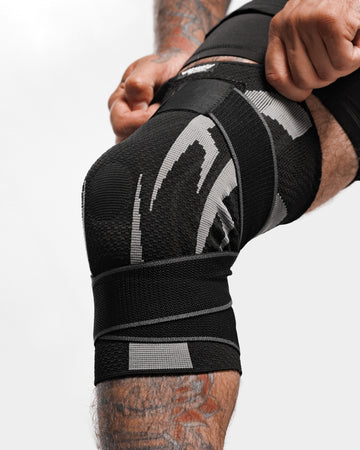
While traditional unloader braces can feel bulky or stiff, newer hybrid options, such as the Anaconda Knee Brace, provide mild support and enhanced comfort. It offers extra support with a breathable, tight elastic material and a dual-strap system that relieves pressure without locking the joint. Many users with early-stage osteoarthritis have found this knee brace ideal for everyday activities.
How Do You Choose the Right Knee Brace?
With so many different knee braces on the market, choosing the right one can be overwhelming. The first step is to understand your current condition: which part of the knee is affected, how severe the issue is, and your recovery or performance goals.
Here’s a simplified breakdown to help you choose:
|
Situation |
Suggested Brace |
|
Healthy athlete in contact sports |
Prophylactic knee brace |
|
Recovering from knee surgery |
Rehabilitative brace |
|
Returning to sport after ACL injury |
Functional brace |
|
Managing knee arthritis |
Unloader knee brace |
|
General knee pain or soreness |
Compression sleeve or light brace |
Always consult a healthcare provider before wearing a knee brace for the first time, especially if you have a knee injury, knee instability, or recurring pain. Self-prescribing a brace without proper diagnosis can cause more harm than good.
What Does the Evidence Say About Knee Braces?
Knee braces are more than just straps and hinges; they’re valuable tools that support recovery, improve movement confidence, and reduce the risk of further injury. But like any tool, their effectiveness depends on how and when they’re used.
If you’re considering wearing a knee brace, it’s essential to know what the research actually supports, where the limits are, and which common myths might be getting in your way.
Let’s break down what’s true, what’s not, and what you should realistically expect from different types of knee braces.
What the Research Supports
Clinical studies and biomechanical data support several key benefits of using the right knee brace in the exemplary scenario. When properly prescribed and worn:
-
Functional knee braces can reduce the risk of re-injury, particularly in athletes returning to sport after ACL surgery. These braces help limit excessive forward movement of the shin bone (anterior tibial translation), providing support during high-stress movements such as jumping, pivoting, and landing.
-
Rehabilitative braces are especially effective in the early weeks after surgery. They limit knee flexion and twisting to protect surgical repairs during the vulnerable healing window, especially after ACL reconstruction, meniscus surgery, or fracture fixation.
-
Unloader knee braces are clinically proven to reduce pain and improve mobility in people with mild to moderate osteoarthritis. By shifting pressure away from the damaged side of the joint, they allow patients to walk longer distances with less discomfort and better alignment.
Overall, high-quality evidence shows that knee braces provide pain relief, protect healing tissues, and support knee stability during rehab and return-to-activity phases. They don’t “fix” an injury on their own, but they can absolutely help you move more safely and confidently.
Myths to Leave Behind
Despite their benefits, knee braces are often misunderstood. Let’s take a moment to address common myths that can lead to overreliance or misuse.
Myth 1: A brace can prevent all ligament injuries.
Truth: No knee brace, no matter how advanced, can eliminate the risk of injury. Many ligament injuries—especially ACL tears—occur during high-speed, non-contact movements that involve forces too great for a brace to block. The best protection is a combination of proper movement mechanics, neuromuscular training, strength, and situational awareness.
Myth 2: The tighter the brace, the better the support.
Truth: It might feel secure at first, but overtightening your brace can restrict circulation, irritate the skin, or cause swelling below the joint. A good brace should offer a snug but comfortable fit—firm enough to stay in place but flexible enough to allow normal blood flow and natural movement. This is why breathable materials and adjustable straps are key.
Myth 3: Once you put on a brace, you're good to go.
Truth: While a knee brace helps provide support and relief, it should always be part of a broader recovery or training plan. For best results, braces should be combined with physical therapy, strength training, balance training, and activity modifications. Think of a brace as a bridge; it gets you from injured to strong, but it can’t do all the work for you.
Final Thoughts
Whether you're guarding your knees on the field, recovering from surgery, or just trying to move without pain, understanding the different types of knee braces gives you a real advantage. The best brace is the one that matches your injury, activity level, and stage of healing, not just the one with the flashiest name or the thickest padding.
Always consult a medical professional before choosing a brace, especially if you’re managing ligament injuries, recovering from knee surgery, or dealing with knee instability. And remember: even the best knee braces are most effective when paired with rehab, strength training, and smart movement habits.
If you're looking for a brace that combines support, comfort, and mobility, the Anaconda Knee Brace is worth checking out. Designed with dual straps, 3D compression, and breathable materials, it's built to help reduce pain, stabilize your knee, and keep you moving confidently—whether you're training, recovering, or just walking pain-free.
FAQs
Here are five quick, clear answers to help you out.
Can I buy a functional knee brace online without seeing a doctor?
Yes, you can buy a functional knee brace online, but it’s best to consult a doctor first. Self-diagnosing knee instability can lead to using the wrong type of brace, which may hide serious issues like ligament tears or fractures. For minor soreness, compression sleeves are usually safe without a prescription.
How long should I wear a knee brace each day?
The amount of time you should wear a knee brace each day depends on its purpose. Rehabilitative braces are often worn nearly full-time during early recovery, including while sleeping. Functional braces are usually worn only during physical activity. Prophylactic braces are used during sports or training. Unloader braces are worn during more extended periods of walking or standing to reduce pain. Always follow your doctor’s specific instructions.
Will wearing a knee brace weaken my leg muscles?
Wearing a knee brace for a short period will not significantly weaken your leg muscles. However, wearing a rigid brace for extended periods without strengthening exercises may lead to muscle weakness. To prevent this, always use braces alongside a proper rehabilitation or exercise plan.
What is the difference between a knee brace and a knee sleeve?
A knee brace is a structured support tool with hinges or straps that limit joint movement and protect injured areas. It is used for injuries, surgery recovery, or instability. A knee sleeve is a soft, stretchy sleeve that provides mild compression to reduce swelling and improve comfort. It does not offer structural support.
Are knee braces covered by insurance?
Yes, most insurance plans cover medically necessary braces such as post-operative, custom functional, or unloader braces for arthritis. Coverage usually requires a diagnosis, a prescription from a qualified provider, and, in some cases, prior authorization. General-purpose or sports braces are not always covered.