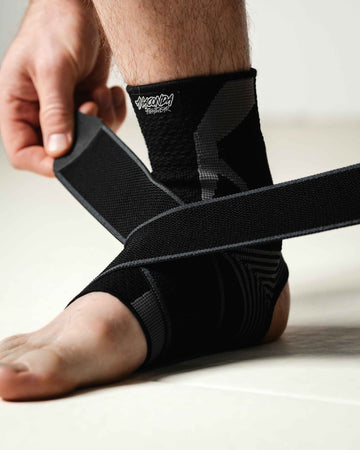
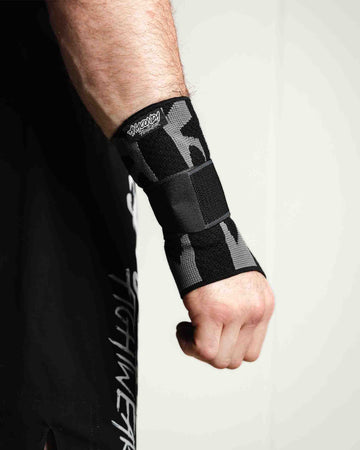
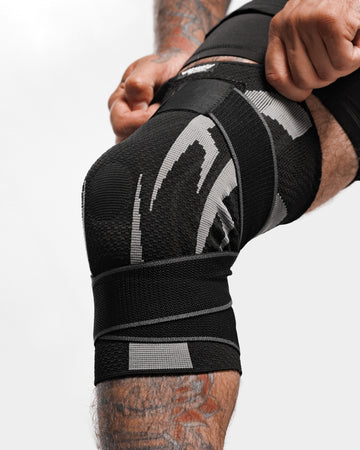
The best knee brace for ACL injuries depends on the recovery stage: prophylactic braces prevent sports injuries, rehabilitative braces lock the knee immediately post-surgery, and functional braces provide stability for returning to activity. These devices work by limiting tibial rotation and valgus stress to protect the anterior cruciate ligament.
This guide breaks down the best knee braces and how to choose the right one for recovery.
Key Takeaways
-
ACL injuries are common and serious. A torn anterior cruciate ligament can cause pain, swelling, and knee instability. It often happens in sports or sudden movements and may take months to heal.
-
Knee braces play an important role in recovery. A knee brace for ACL injuries helps protect the knee joint, reduces pain, and prevents further damage. It also supports healing and gives you more confidence when moving.
-
Different braces have different purposes. Prophylactic, functional, and rehabilitative knee braces all help in different ways. Choosing the right type depends on your injury and where you are in the healing process.
-
Modern functional braces integrate smart sensor technology to track range-of-motion metrics and verify adherence to rehabilitation protocols.
ACL Injuries Explained: What Goes Wrong and Why It Matters
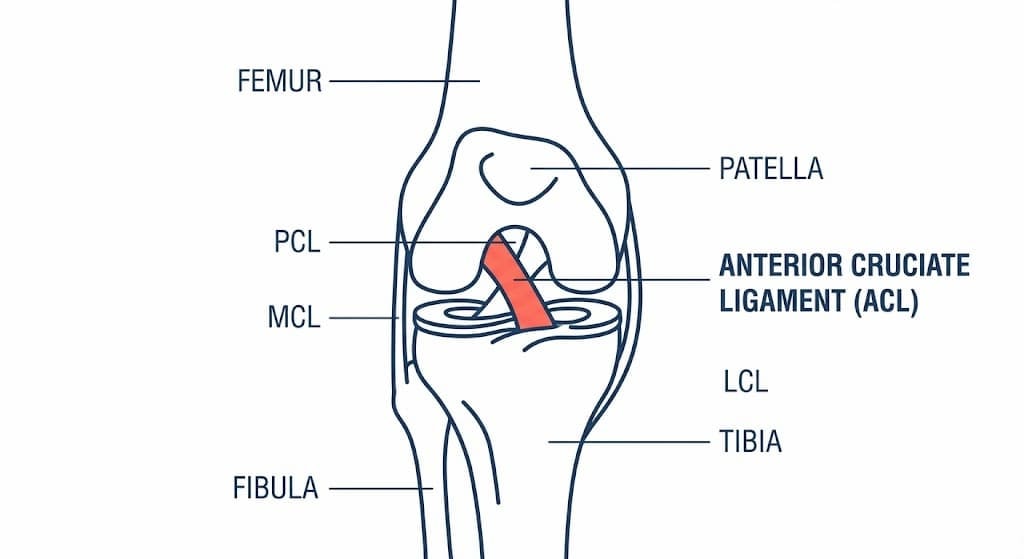
ACL injuries primarily occur when the anterior cruciate ligament is subjected to sudden non-contact forces, such as rapid pivoting or awkward landings.
This ligament, which connects the thigh bone to the shin bone, acts as the knee's primary stabilizer against forward motion. When a sudden stop or twist exceeds the ligament's tensile strength—often without any direct contact—the fibers tear or rupture completely.
Understanding this mechanism is critical because it highlights why stability braces must limit specific rotational movements to be effective.
ACL injuries often happen during fast stops, sharp turns, or bad landings in sports like soccer and basketball. These are some of the most common knee injuries.
Research from the National Center for Biotechnology Information (NCBI) indicates that nearly 70% of all ACL tears occur without direct contact.
A torn ACL typically presents with an audible 'pop,' immediate localized pain, and rapid swelling within two hours, leading to significant joint instability during weight-bearing movements.
From 2010 to 2020, ACL tears affected more than 75 out of every 100,000 people each year. While the numbers have slightly dropped, ACL reconstruction surgeries are still very common.
For people with anterior cruciate ligament deficiency, support is key. Prophylactic knee bracing and ligament knee bracing are often used to protect the knee, manage symptoms, and help during recovery.
How Knee Braces Actually Protect Your Knee
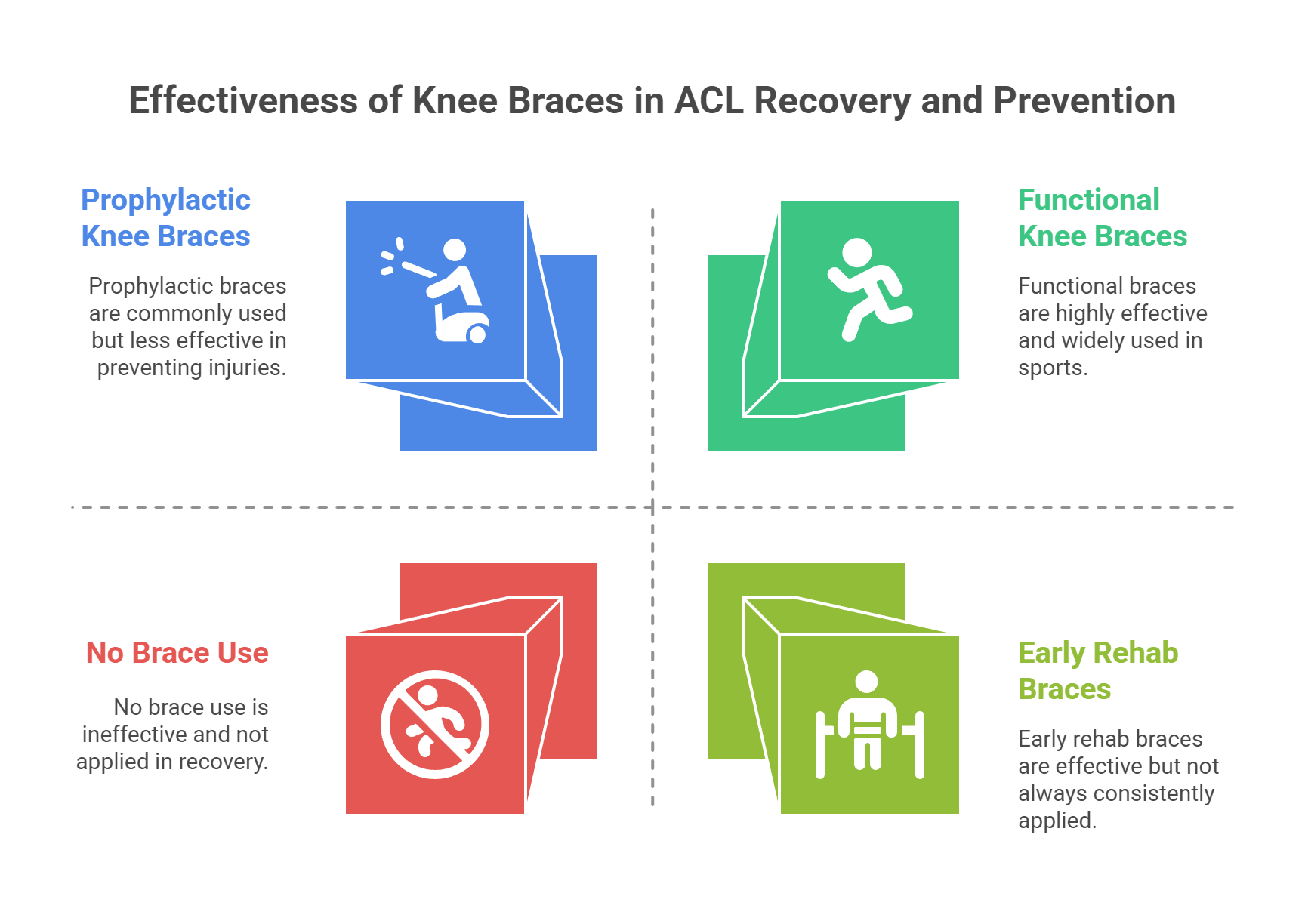
An ACL knee brace plays a big role in healing and protecting the knee joint after injury or surgery. It helps control motion, reduce strain, and support the reconstructed ACL as you return to movement. Whether you're playing sports or just walking, the right brace can help you stay safe and feel stronger.
1. Stops Dangerous Knee Movement Before It Causes Damage
After an ACL tear, the tibia relative to the femur may move too far forward. A brace limits this motion, protecting the ligament while it heals. It also reduces rotation and sideways stress that can cause more damage.
-
Functional knee braces keep the knee steady during walking, running, or jumping.
-
They help your body rebuild neuromuscular control, which is how your brain and muscles work together to protect your injured knee.
-
In weight-bearing conditions, they improve balance and postural control.
This control is significant in the first 3–6 months after ACL reconstruction.
2. Reinforces Your Knee With Proven Biomechanical Support
Prophylactic knee braces are used to prevent injury, especially in sports like football or skiing. These braces:
-
Decrease strain on the ACL by controlling valgus (inward) knee collapse.
-
Reduce internal rotation and twisting during sudden movements.
-
Improve balance and proprioception to help athletes avoid risky motions.
One study found that functional knee braces helped normalize joint movement and protect the graft during return to play. They also lowered ACL load during high-risk actions, even if they slightly reduced knee flexion.
3. May Lower the Risk of Reinjury in High-Impact Sports
In a systematic review of 1,196 patients after ACL reconstruction, braces showed positive effects in specific groups:
-
A 2021 study published in the NCBI found that reinjury rates in athletes under 18 dropped from 12% to 2% when a brace was worn during sports.
-
Early graft failures fell from 9% to 1% in braced patients during the first year after surgery.
While not every study shows a clear benefit, these significant differences suggest that braces can help prevent injury in younger or highly active people.
4. Most Effective During Rehab and Your Return to Action
Braces are most helpful in the months right after injury or surgery. During this time:
-
The ACL is vulnerable to strain.
-
Weight-bearing exercises and movement can put pressure on the joint.
-
A brace gives needed protection and improves performance in rehab.
In sports medicine, braces are often combined with therapy to help with a safe return to sport.
While the research is mixed on long-term results, braces offer short-term benefits that matter for athletes and people recovering from serious injury.
What Are the Three Main Types of ACL Knee Braces?
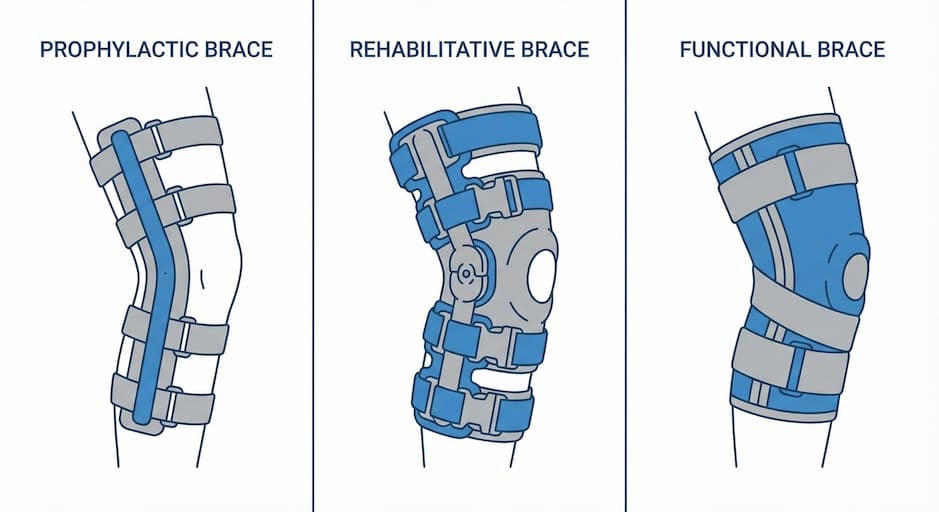
Not every ACL knee brace works the same way. Each type is designed for a specific stage in the recovery process or to protect the knee joint during high-risk activities.
Choosing the right brace depends on whether you're recovering from an injury, had ACL reconstruction, or want to prevent injury in the first place.
Let's look at the three main types of knee braces for ACL injuries and what makes each one unique.
1. Prophylactic Braces: Extra Protection Before Injury Happens
Prophylactic knee braces are engineered specifically to prevent ligament damage before it occurs by deflecting lateral impact forces.
These braces utilize a rigid sidebar design to absorb and redistribute force away from the knee joint during high-contact sports like football or rugby.
A study on collegiate football players showed that this redirection of force can significantly mitigate the severity of MCL and ACL strains during lateral tackles.
For athletes with no prior injuries, this preventative layer offers a critical safety margin without restricting essential running mechanics.
How it works:
-
Limits sideways movement and twisting that can lead to ACL injuries
-
Protects the anterior cruciate ligament during impacts or awkward landings
-
Reduces valgus stress, which is a major cause of ligament injuries
While some studies suggest prophylactic knee braces don't guarantee injury prevention, many athletes report feeling safer and more confident with one on. They are especially helpful for those with a history of knee problems or those playing aggressive sports.
2. Functional Braces: Stability After ACL Tears or Surgery
A functional knee brace is designed for people who already have an injured knee or have gone through ACL reconstruction. It helps protect the knee during rehab and return to sport by controlling movement and offering extra support.
Benefits:
-
Reduces strain on the healing ligament during walking, running, or jumping
-
Keeps the knee in proper alignment to avoid re-injury
-
Improves ligament knee bracing by boosting joint stability and confidence
-
Assists with balance and motion control through proprioceptive feedback
These braces are typically worn from about 6 weeks to 6 months after surgery or injury. They’re often recommended by physical therapists and sports medicine professionals, especially when you start returning to light training or daily tasks.
3. Rehab Braces: Guardrails for Early-Stage Healing
Rehabilitative knee braces are usually worn right after surgery or serious injury. Their main job is to restrict motion so the injured knee can heal safely. These braces are large, often with adjustable hinges to limit how much the knee can bend.
Key features:
-
Restrict motion to protect healing tissues, especially after ACL reconstruction
-
Reduce pain and swelling by stabilizing the joint
-
Allow gradual adjustment of movement limits during recovery
These braces are often used for the first 4–6 weeks after surgery. They help ensure the new graft isn't stretched too early and that you're not putting too much pressure on the joint during this sensitive phase. Once the initial healing is done, users typically switch to a functional brace.
Comparison Table: Knee Brace Types for ACL Injuries
|
Brace Type |
Purpose |
When to Use |
Key Benefits |
|
Prophylactic |
Injury prevention in sports |
During high-risk activities |
Reduces strain, limits sideways motion, builds confidence |
|
Functional |
Post-injury or post-surgery support |
6–24 weeks after injury/surgery |
Supports movement, prevents re-injury, improves stability |
|
Rehabilitative |
Restrict movement during early healing |
First 4–6 weeks post-surgery |
Controls motion, protects graft, reduces pain and swelling |
Choosing the right brace ensures better healing and protection during each stage of your recovery journey. If you're unsure which one to pick, talk to a sports medicine or orthopedic professional for guidance.
What Knee Braces Do to Your Movement and Stability
Knee braces do more than hold the knee in place. They change how forces move through the joint during activity. These biomechanical changes are especially important during sports, rehab drills, and return-to-play phases when the knee faces the highest stress.
How Braces Change the Way Your Knee Moves
When athletes cut, pivot, or land, the knee can move in ways that increase ACL stress. Research shows that prophylactic knee braces reduce harmful movement patterns during these high-risk actions.
-
Reduce valgus angles, where the knee collapses inward
-
Limit internal tibial rotation, which twists the knee
-
Control movement in the coronal and transverse planes, where many ACL injuries occur
Effects in the sagittal plane, which control simple bending and straightening, are less clear. This means braces mainly help during complex movements, not basic knee flexion.
In people with ACL deficiency, soft braces limited sideways knee movement better than rigid braces during walking and cutting. Soft braces also caused less disruption to natural walking patterns, even though both brace types slightly increased rotational movement. This suggests softer designs may offer better balance between control and natural motion.
Better Control, Better Balance, Better Movement
Functional knee braces influence how the knee behaves under controlled conditions. Research shows they:
-
Reduce the total range of knee bending
-
Limit the forward sliding of the tibia relative to the femur
-
Improve control during structured rehab movements
This matters because too much forward movement increases strain on healing tissue. By limiting this motion, braces help protect the knee during drills that involve speed changes or direction shifts.
However, these effects are strongest in controlled settings like rehab or training. During unpredictable sports play, results vary based on movement speed, fatigue, and technique.
Less Stress on the ACL When It Matters Most
One goal of knee bracing is to reduce ACL strain by controlling movement that overloads the ligament. Several studies show that braces help by:
-
Constraining excessive tibial translation
-
Limiting rotation during rapid movement
-
Improving shock absorption during landing
Prophylactic braces also improve proprioception, which helps muscles react faster to protect the joint. This improves force management and reduces risky movement patterns.
That said, not all studies agree. Some found no significant reduction in ACL strain during active knee motion between 10 and 120 degrees. This shows that braces are more effective during specific tasks rather than across all movements.
Soft vs Rigid Knee Braces: Comfort or Control?
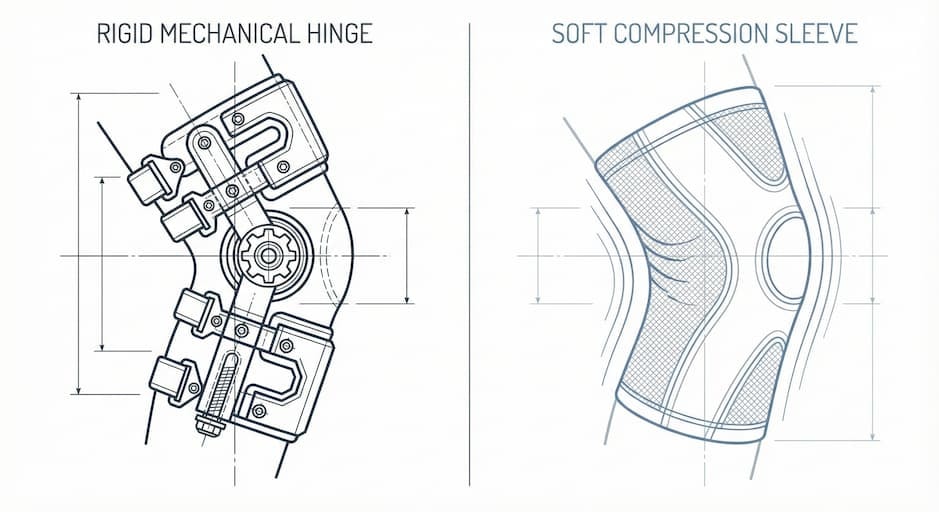
Brace design plays a big role in biomechanical outcomes.
Research suggests:
-
Rigid braces may restrict motion too much, leading to extension deficits
-
They can also create unnatural load patterns in the joint
-
Soft braces provide more balanced stability and smoother movement
Because of this, soft or semi-rigid designs are often favored for training, early return to sport, and long wear. This is where compression-based braces fit best.
Anaconda knee braces fall into this category. They provide compression and consistent support without forcing the knee into rigid positions, making them suitable for movement-focused recovery rather than post-surgical immobilization.
Where the Research Delivers, and Where It Falls Short
While biomechanical benefits are clear in lab settings, real-world results are harder to measure.
Limitations include:
-
Different brace designs have been tested across studies
-
Different tasks such as walking, cutting, or jumping
-
Wide age ranges and activity levels among participants
Because of this variation, experts cannot recommend one brace type for everyone. Biomechanical benefits appear strongest in:
-
High-risk sports
-
Younger athletes
-
Early return-to-play phases
More long-term, sport-specific research is still needed.
Do Knee Braces Actually Work? What Studies Really Show
Knee braces are widely used after ACL injuries, but do they really work? Clinical research shows mixed results. Some users experience big benefits in pain relief, mobility, and joint stability, especially during early recovery. Others may see less improvement, depending on age, activity level, and brace type.
In one randomized controlled trial, patients using braces like ACL, V3P, and VER types saw over 30% improvement in WOMAC scores for pain, stiffness, and function within three months. Many also reported better performance in daily activities and sports, as shown by KOOS scores.
Functional braces continue to support ligament stability after ACL reconstruction. While long-term re-injury prevention is still debated, short-term improvements in comfort, movement, and confidence are well documented. However, prophylactic knee bracing is not recommended for general use unless someone is in a high-risk sport.
How Do Knee Braces Improve Confidence During Recovery?
Knee braces do more than just support the joint. They also help the mind. Many athletes and active people feel more confident as soon as they put one on. That added sense of support makes a real difference, especially during recovery.
Wearing a brace can reduce the fear of falling or having the knee give out during sports or everyday movement. It helps people feel safer and more stable, which can lead to better rehab results. When you trust your knee again, you're more likely to stay active and stick with your recovery plan.
Braces also improve proprioception, your body’s ability to sense where the knee is during movement. That improved body awareness helps with reaction times, better posture, and safer motion, especially during high-risk activities like jumping or quick turns.
These mental and physical benefits are even more noticeable in younger athletes or people recovering from a reconstructed ACL. Regaining control gives them more confidence to get back to full activity.
If you don't protect your knees during training, you could regret it for years. That’s why thousands of athletes now rely on the Anaconda Knee Brace. It stays in place, provides targeted compression, and supports the joint so you can train harder without fear of knee instability or pain.
“I highly recommend the Anaconda Knee Brace as a source of potential support after activity or strain. The wrap-under design helps it stay in place while climbing stairs or training, and the compression can help with mobility and discourage twisting.”
— Dr. Rafat Choudhry, Internal Medicine, 39 years in practice
Whether you're recovering from injury or staying ahead of one, the Anaconda Knee Brace supports mobility, delivers all-around compression, and helps with safe recovery.
The Real-World Problem: Why People Stop Wearing Braces
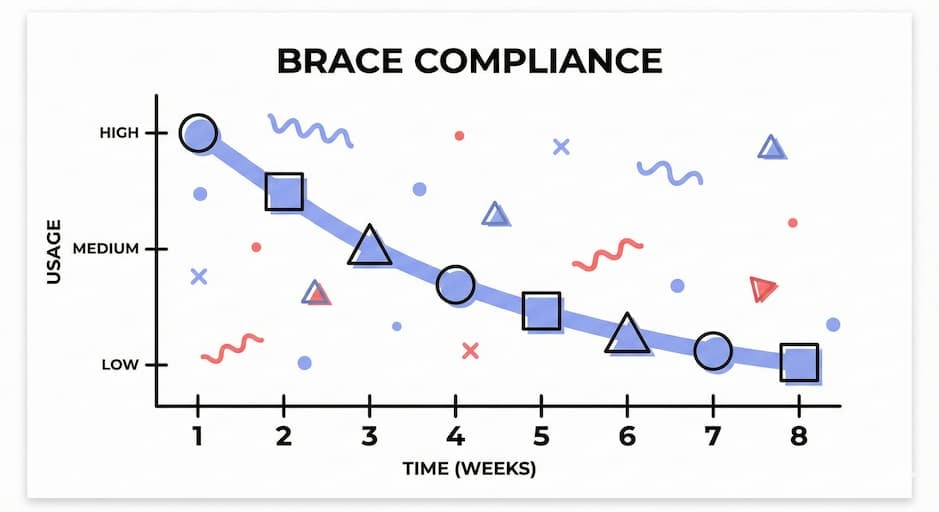
Even the best knee brace only helps if people wear it. Unfortunately, many stop using braces early, often due to discomfort or inconvenience.
Studies show average wear time is about 2.5 hours a day for around three months. But usage drops fast after the first few weeks. The most common complaints include:
-
Too bulky to wear under clothes
-
Too hot during warm weather or exercise
-
Skin irritation or soreness around pressure points
Rigid braces often create more problems than soft ones. They may block movement, cause hip strain, or fail to fit well. These issues can lead to people quitting early, with dropout rates of 2% to 3%.
Better education and motivation can improve compliance. When patients understand that a brace helps reduce strain, improve postural control, and prevent injury, they are more likely to keep using it.
How Much Do ACL Braces Cost and What New Tech Is Available?
Knee braces range in cost, depending on design, features, and fit.
-
Off-the-shelf braces: $50 to $300. These are good for general support, mild injuries, or early recovery. Most include adjustable straps and hinges.
-
Custom braces: $1,000 to $3,000. These are molded to your leg and provide enhanced support and comfort. They are best for high-level athletes or people with unique knee shapes.
Custom braces cost more at first but may save money in the long run. They can reduce the need for medications, therapy, or future treatments. They are often the right brace for people needing strong, reliable protection.
The Latest Innovations Making Braces Smarter and Lighter
Modern braces are changing fast. New features include:
-
Lighter semi-rigid designs that reduce discomfort by 47%
-
Smart sensor technology that tracks motion and gives real-time feedback
-
Improved materials for a better fit during weight-bearing conditions
These changes help braces feel more natural, making it easier to stay active and consistent during recovery.
Whether you need mild support or protection after surgery, there is a brace designed to meet your needs. Innovations are making braces more comfortable, more helpful, and easier to wear.
The Future of Knee Bracing: What’s Coming Next
While current braces offer many benefits, more research is needed to fully understand what works best. One challenge is that studies use different brace types, testing methods, and patient groups. This makes it hard to compare results.
Future research is focusing on:
-
Improving neuromuscular control and body awareness with smart tech
-
Making braces lighter and more flexible without losing support
-
Testing braces in real sports settings instead of just labs
There is also a growing push for custom designs that match specific injuries and body types. Better testing and more real-world studies will help guide clinicians and patients in choosing the best brace for each case.
The Bottom Line: What You Should Know Before Choosing a Brace
Recovering from an ACL injury takes time, effort, and the right tools. Whether you're healing from surgery or trying to prevent further strain, the right knee brace can make a real difference in how you move, feel, and recover. It’s not just about protection — it’s about confidence, comfort, and control during every step of your journey.
If you are looking for a brace that offers real support, our internal sales data confirms that the Anaconda Knee Brace is currently trusted by over 300,000 athletes worldwide.
Take the next step in your recovery with the Anaconda Knee Brace. Train confidently. Move freely. Heal better.
Frequently Asked Questions
Have questions? Anaconda is happy to help!
How much do ACL braces cost?
ACL braces typically range from $200 to $600 or more, depending on the type and brand, with specialized models like the Breg Fusion costing around $600.
What is the primary function of the anterior cruciate ligament (ACL)?
The primary function of the anterior cruciate ligament (ACL) is to stabilize the knee joint by preventing the tibia from shifting excessively forward relative to the femur. This essential function supports proper knee mechanics during movement and physical activities.
How do knee braces help in managing ACL injuries?
Knee braces help manage ACL injuries by providing support and stability to the knee joint, reducing pain, and preventing further injury by maintaining proper ligament positioning.
What are the different types of knee braces for ACL injuries?
The different types of knee braces for ACL injuries include prophylactic braces for injury prevention, functional braces for support during activity, and rehabilitative braces for recovery. Each type plays a crucial role in managing ACL injuries effectively.
Are knee braces effective in preventing ACL injuries?
Knee braces may not conclusively prevent ACL injuries, as research shows mixed results; however, they can offer athletes a sense of security in high-risk sports.