Sleeping with a knee brace is generally safe and often recommended for post-surgical recovery or acute injuries to stabilize the joint and prevent unwanted twisting.
However, for mild conditions or without medical clearance, it may cause stiffness or skin irritation.
This guide explains the benefits of overnight bracing, the best sleeping positions for recovery, and how to select a brace that ensures proper blood flow.
Key Takeaways
-
Only sleep with a knee brace if your doctor recommends it. Overnight bracing is typically used after surgeries like ACL repair or meniscus procedures. It helps stabilize the knee, reduce swelling, and protect healing tissues—but only when directed by a medical professional.
-
Wearing the wrong brace at night can cause problems. If a brace is too tight or not designed for sleep, it can affect blood flow, cause skin irritation, or disrupt your sleep. Always check fit, use breathable layers, and monitor for signs of pressure or discomfort.
-
Comfort and support matter for healing and sleep quality. The right knee brace should balance support and comfort. Options like the Anaconda Knee Brace are designed with adjustable straps and compression padding to help you rest easier and recover more confidently.
Can You Sleep With a Knee Brace On? (Quick Answer)
Yes, but it depends on your situation. If you have recently had surgery or are recovering from a serious injury, your doctor may recommend wearing a knee brace at night to protect the knee. This helps keep the leg stable, supports healing, and can prevent unwanted movement during sleep.
Why Would Someone Sleep With a Knee Brace? (Common Scenarios)
Let’s be honest. No one is exactly thrilled about sleeping with a knee brace. But in many cases, it’s the smart choice for recovery, comfort, and protecting your knee while you rest. Whether you're healing from surgery or managing long-term knee pain, wearing a knee brace overnight can support recovery and improve sleep quality.
Below are the most common situations where wearing a knee brace can help.
Post-Surgery Healing Time
If you have had ACL repair or meniscus surgery, your doctor may recommend wearing a knee brace 24 hours a day to optimize healing. This continuous usage serves three critical functions:
-
Stabilization: It maintains the knee in a straight, locked position to protect surgical grafts.
-
Swelling Reduction: It applies constant pressure to minimize post-operative fluid buildup.
-
Circulation: It promotes healthy blood flow to the repair site
According to Thomason Medical's 2024 post-op protocols, this routine is typically followed for the first 2 to 6 weeks after surgery. Adjustable straps ensure a secure but comfortable fit, helping you sleep more peacefully while protecting your healing process.
Serious Ligament Injuries
For more severe knee injuries, such as ACL or MCL tears, sleeping in a hinged brace helps prevent nighttime twisting or shifting. When your quadriceps are still weak, the brace helps keep your knee aligned and stable. This reduces the risk of further injury from unconscious movements during sleep.
Chronic Pain or Knee Arthritis
Dealing with knee arthritis or ongoing pain? Some people use an unloader brace or soft compression sleeves at night to relieve pressure, improve alignment, and reduce discomfort. These can minimize hyperextension or buckling and may help maintain knee health and sleep quality over time. Choosing the right knee brace for your condition is key to getting safe and practical support.
While sleeping with a knee brace isn't fun, it can make a big difference in healing and comfort. Just remember to check for signs of skin irritation, ensure proper blood flow, and consult your healthcare provider before wearing any brace overnight.
What Are the Benefits of Sleeping With a Knee Brace?
When used correctly and under medical guidance, sleeping with a knee brace can support recovery and protect knee health. The benefits are most noticeable during post-surgical recovery, arthritis flare-ups, or specific injuries where stability is critical even at rest.
Improved Joint Stability During Rest
Sleeping with a knee brace significantly improves joint stability by restricting involuntary movements that occur during REM cycles.
Wearing a knee brace overnight acts as an external scaffold, keeping the knee joint supported and aligned to prevent harmful twisting or hyperextension.
This mechanical restriction is critical for preventing micro-trauma to healing tissues, ensuring that the recovery progress made during the day is not undone at night.
This added stability is constructive after surgery or during early recovery from knee injuries. By limiting excessive motion, the brace helps keep the knee properly aligned, allowing tissues to heal without repeated strain.
Reduced Swelling Overnight
Overnight bracing effectively manages inflammation by applying continuous, gentle compression to the affected area. Gentle compression from a knee brace or compression sleeves promotes venous return and lymphatic drainage, preventing fluid from pooling in the joint capsule after a day of activity.
By minimizing fluid accumulation during sleep, patients experience significantly less morning stiffness and improved range of motion immediately upon waking.
Reduced morning swelling often means less stiffness and more effortless movement at the start of the day. This is one reason healthcare providers sometimes recommend overnight wear during the early healing process.
Better Pain Management at Night
Pain can disrupt sleep, making it difficult to fall asleep or stay asleep. A knee brace helps reduce pain by limiting small movements that irritate injured tissue. Even mild stabilization can reduce discomfort enough to support a more restful sleep.
For people with knee arthritis or other chronic knee conditions, overnight support can help relieve pain caused by joint instability or pressure, especially after prolonged activity.
Improved Sleep Quality During Recovery
Pain and instability are two of the biggest reasons people wake up at night during recovery. By reducing both, wearing a knee brace can help improve sleep quality.
A 2022 study published in the National Library of Medicine confirms that recovery is significantly slower when sleep quality is compromised, as sleep deprivation increases systemic inflammation markers.
Protection Against Further Injury During Sleep
Accidental twisting, sudden bending, or awkward positioning during sleep can place stress on a healing knee. This is particularly risky during post-surgery support phases when tissues are still fragile.
Sleeping with a knee brace provides added support, reducing the risk of further injury from unconscious movements. This protective role is one of the main reasons doctors sometimes recommend overnight wear for specific injuries.
Support for Surrounding Muscles
Stability provided by a brace allows surrounding muscles to relax rather than constantly compensating for joint instability. This can reduce muscle tension and discomfort around the knee and leg, especially overnight.
When muscles are not working overtime to stabilize the joint, recovery can feel smoother and less exhausting.
Choosing a Brace That Supports Overnight Comfort
Not every brace is suitable for overnight wear. A properly fitting brace with adjustable straps is less likely to restrict blood flow or cause discomfort. Comfort is just as important as support when wearing a brace for extended periods.
This is where design plays a role.
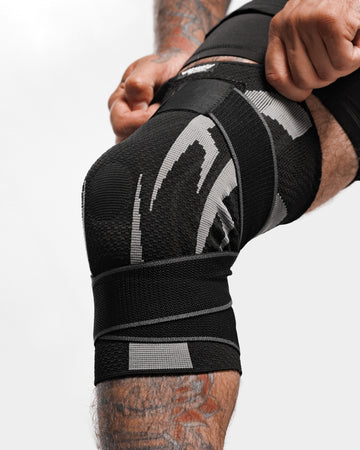
In our testing of the Anaconda Knee Brace, we found its layered elastic compression and adjustable straps provided stable support without creating pressure points.
Our analysis highlights that its breathable fabric significantly reduces heat buildup, which is a common cause of sleep disruption Its breathable fabric helps reduce heat buildup, which is essential for sleeping comfortably and avoiding skin irritation.
Many athletes and active individuals choose the Anaconda Knee Brace during recovery because it stays in place, provides support, and remains comfortable during overnight wear.
Supports Physical Therapy Progress
Rest does not replace physical therapy, but it supports it. When pain and swelling are managed overnight, people often move better during the day and perform exercises more effectively.
By supporting the knee during rest, a brace helps prepare the joint for activity, making physical therapy sessions more productive and less painful.
When Is It Necessary to Sleep in a Knee Brace?
There are a few key times when sleeping with a knee brace is helpful, even recommended. These situations typically involve healing from a recent injury or avoiding further damage in the early stages of recovery.
Here are the most common times when overnight bracing is the right move:
1. Post-Surgery Recovery
If you've had an ACL reconstruction, meniscal repair, or another knee operation, your surgeon may recommend wearing a knee brace 24/7 for the first few weeks. This helps:
-
Keep the knee joint straight while you sleep
-
Prevent sudden movements that could harm stitches or grafts
-
Reduce swelling by holding the leg in the correct position
Most surgeons recommend wearing it locked at 0° (entirely straight) for 1 to 4 weeks, depending on the type of surgery and how your body is healing. Always follow your written recovery instructions to ensure the healing process goes smoothly.
2. Severe Ligament Injuries (Non-Surgical)
If you’ve had a grade II or III tear to your ACL, MCL, or LCL, but didn’t need surgery, your doctor might still ask you to wear a hinged brace while you sleep. This protects your knee from:
-
Twisting or side-to-side shifts during sleep
-
Further strain occurs when your quadriceps are weak and cannot stabilize the joint
In these cases, the brace is usually locked at night for 1–2 weeks, then gradually loosens as the muscles and ligaments strengthen through physical therapy.
3. Chronic Pain or Arthritis
For those dealing with knee arthritis or long-term knee conditions, a brace may help improve sleep quality and reduce nighttime discomfort. These braces are usually:
-
Unloader braces that shift pressure away from damaged areas
-
Compression sleeves that give light support and reduce swelling
Some patients wear these braces at night to relieve pain, prevent hyperextension, and reduce buckling episodes that may disrupt sleep.
However, this should be done only under medical supervision, especially for older adults or anyone with circulation issues.
When Should You Avoid Sleeping in a Knee Brace?
Not everyone needs to wear a knee brace overnight. In fact, using one when it’s not required can sometimes cause more harm than good.
Here are the most common situations where sleeping with a knee brace is not recommended.
1. Mild Injuries That Don’t Need Immobilization
If you’re dealing with a mild sprain, light soreness, or overuse-related knee pain, most healthcare providers suggest skipping the brace while you sleep. Wearing a knee brace all night in these cases may cause muscle stiffness, skin irritation, or discomfort that can slow the healing process.
Instead of full immobilization, soft compression sleeves or strategic pillow support may provide enough knee support to help you sleep comfortably without restricting blood flow or natural motion.
2. Wearing the Wrong Type of Brace
Some braces are designed for daytime use only. For example, sports braces, neoprene sleeves, or high-rigidity prophylactic braces are built for training or walking, not for lying still in bed. Wearing these overnight could increase pressure points, skin irritation, or even limit blood circulation, especially if worn for extended periods.
Always check the label or product guide. If your brace is not explicitly made for overnight wear, it’s best to remove it before going to bed unless directed otherwise by a medical professional.
3. Existing Circulation or Skin Conditions
People with poor circulation, varicose veins, neuropathy, or diabetes-related skin sensitivity should be very cautious about sleeping in a brace. Prolonged restricted blood flow or trapped moisture can lead to pressure ulcers, numbness, and skin breakdown.
If you experience tingling, numb toes, or deep red marks after removing your brace in the morning, these may indicate the brace is too tight or not appropriate for sleep. Always consult a healthcare provider if you notice these issues.
4. If Sleep Quality Is Getting Worse
Braces that dig into your skin, overheat your leg, or shift out of place can make it hard to fall asleep or stay asleep. This is important because poor sleep quality affects your body’s ability to recover from knee injuries.
If you find yourself waking up repeatedly due to discomfort, it might be time to talk to your physical therapist about alternatives. Restful sleep is just as important as the brace itself in helping your knee heal properly.
If you're not recovering from surgery or a serious ligament injury but still want gentle nighttime protection after long training sessions or mild knee stress, a softer, breathable brace may be helpful.
The Anaconda Knee Brace is a lightweight support tool trusted by over 300,000 athletes. It features dual adjustable straps, a 3D-knit compression sleeve, and a non-slip design that stays in place all night. While it’s not meant for post-op recovery, it works well for athletes managing knee health, reducing swelling, and maintaining joint comfort overnight.
5. When Your Doctor Says No
Lastly, always follow medical advice. Some rehab protocols specifically instruct patients to remove their brace during sleep to promote gentle motion and prevent muscle stiffness. If your surgeon or healthcare provider tells you not to sleep in your brace, trust their guidance.
Bracing should never be a guess. It’s a tool that works best when used correctly, for the right injury, at the right time.
How Can You Sleep Comfortably With a Knee Brace?
Sleeping with a knee brace isn’t anyone’s idea of cozy, but with the proper steps, it can actually become part of your healing routine. Whether you're recovering from surgery or managing long-term knee pain, these tips can help you rest more comfortably while protecting your knee.
1. Loosen the Straps Slightly Before Sleep
Your brace should feel snug but not tight. Adjustable straps are essential because they allow you to fine-tune the fit. Before bed, loosen them slightly to avoid cutting off blood flow, reduce the risk of skin irritation, and prevent waking up with numb toes or marks on your leg.
2. Wear a Thin, Soft Layer Underneath
Wearing a lightweight cotton sleeve or soft leggings beneath your brace can make a huge difference. This helps absorb sweat, reduces friction, and protects your skin during extended wear. If you have sensitive skin, this extra layer can prevent itching or pressure marks.
Looking for a brace that actually stays comfortable through the night? The Anaconda Knee Brace features a dual-strap design with breathable fabric that stays in place without digging in. Its flexible yet supportive build provides your knee with the structure it needs while keeping it cool and irritation-free. Many users report it stays secure without slipping, even during tossing and turning.
3. Use Pillows to Keep Your Leg Aligned
Try placing a pillow under your calf or ankle instead of directly behind the knee. This helps support the brace while keeping your leg straight, which is especially important in early recovery. Side sleepers should also place a pillow between the knees to prevent twisting.
4. Choose the Right Sleeping Position
Back sleeping is the most brace-friendly position. It keeps your leg straight, the brace flat, and reduces stress on your spine. If your doctor approves, you can sleep on your uninjured side, with the braced leg slightly in front and supported by a pillow to maintain alignment.
5. Keep Your Bedding Light
Heavy blankets or thick comforters can exert pressure on the brace or shift it. Use lighter covers and make sure your leg doesn’t get trapped under anything that might change the angle of your knee during sleep.
6. Try a Trial Run in the Evening
Before committing to a whole night in the brace, wear it for an hour or two in the evening. This gives you time to notice any pinch points or strap discomfort. If needed, make adjustments to sleep without waking up sore or frustrated.
What Are the Best Sleeping Positions With a Knee Brace?
When it comes to recovery, your sleeping position matters more than you might think. Finding the correct position can relieve pressure, reduce pain, and protect your knee from unwanted strain.
Here’s how to rest properly while wearing a knee brace so you can wake up refreshed and on track.
Sleeping on Your Back: The Safest and Most Stable Option
Sleeping on your back is typically recommended for anyone recovering from knee surgery or injury. It keeps your leg straight, helps maintain proper alignment, and reduces the chances of twisting your knee while you're asleep.
To improve comfort, place a pillow or rolled towel under your calf or ankle. This slight elevation supports blood flow, reduces swelling, and relieves pressure behind the knee. Avoid placing a pillow directly under the knee, as that can interfere with full extension and healing.
Back sleeping is especially helpful when using hinged braces or rigid post-surgical immobilizers, as it keeps the brace in place and allows the knee joint to rest in a controlled position.
Sleeping on Your Side: A Comfortable Alternative When Cleared
If you prefer to sleep on your side, it may be an option once your doctor or physical therapist approves. Be sure to lie on your non-injured side and adequately support the braced leg.
To do this:
-
Place a soft pillow between your knees to maintain alignment and reduce tension
-
Add a second pillow under your lower leg to gently lift the braced knee
-
Check that your brace has adjustable straps and is snug without restricting blood flow
Side sleeping may be more comfortable for people wearing soft braces or compression sleeves, especially if they are managing knee arthritis or mild injuries.
Positions to Avoid While Sleeping With a Knee Brace
Some sleep positions may feel natural, but can actually work against your recovery.
Sleeping on your stomach is strongly discouraged. It can force the leg into an awkward angle, twist the knee, and put extra pressure on your lower back. This position also makes it harder for the brace to stay in place.
Sleeping curled up in a tight fetal position may overbend the knee and stress healing tissues. Avoid crossing your legs or tucking one leg underneath the other, as this can misalign your brace and increase the risk of further injury.
When in doubt, choose positions that keep the leg straight, supported, and well-aligned.
A Good Night’s Sleep Starts With the Right Brace
Comfort can make or break your sleep quality when wearing a knee brace. That’s why choosing the right brace matters.
The Anaconda Active Knee Support is a lightweight, breathable option designed for overnight wear. It combines 3D compression with dual adjustable straps, offering enough support to reduce pain without the bulk of a post-surgery brace. For people recovering from mild knee injuries or managing long-term pain, this soft yet stable brace helps with alignment, reduces pressure, and makes it easier to sleep through the night.
Thousands of athletes and active users rely on Anaconda braces to stay secure without slipping or bunching, which helps maintain comfort throughout the night.
How Do You Choose the Right Knee Brace for Sleeping?
Not all knee braces are meant for overnight wear. Some are bulky, rigid, and built for intense physical activity or early post-surgical protection.
Others are softer and better suited to long periods of rest.
Choosing the right knee brace for sleeping depends on your condition, recovery phase, and how much support your knee needs at night.
Understand Your Needs First
Start by asking yourself these questions:
-
Are you recovering from surgery?
-
Do you have knee arthritis or chronic knee pain?
-
Are you wearing a brace as part of physical therapy?
-
Has a healthcare provider advised you to wear a knee brace at night?
The answers will guide you toward the level of support and comfort you need. For example, someone recovering from ACL surgery might need a hinged brace that limits motion. Someone with mild knee arthritis may benefit from a soft compression sleeve that improves circulation and relieves stiffness.
Always follow your doctor's instructions before switching or choosing a new brace.
Key Features to Look For
When shopping for a knee brace designed for sleep, consider these essential features:
-
Lightweight and breathable material to prevent heat buildup
-
Adjustable straps that offer a snug fit without restricting blood flow
-
Minimal hardware or hinges that could press into your skin while lying down
-
Compression support to reduce swelling and relieve pain
-
Low-profile design that allows for comfortable sleeping positions
Look for products that clearly state they are intended for overnight use or long periods of stillness. Avoid sports-only braces or those designed specifically for impact protection unless your surgeon has instructed you to use one during sleep.
Types of Braces That Work Best for Sleep
Here’s a breakdown of brace types and how they fit into nighttime wear:

Final Words
Sleeping with a knee brace might not be the most exciting part of recovery, but it can be one of the most helpful when used correctly. Whether you're recovering from surgery, managing ongoing knee pain, or starting physical therapy, proper overnight support can keep your knee stable, aligned, and better protected while you rest.
If you're looking for a brace that balances comfort and stability, the Anaconda Active Knee Support offers soft compression, breathable fabric, and a secure fit that stays in place while you sleep. It's trusted by over 300,000 athletes and active individuals who count on reliable support that doesn't disrupt their rest.
Recovery continues while you sleep. With the right knee brace, you can rest easier, recover faster, and wake up ready to move forward with strength and confidence.
FAQs
Still wondering? Here are quick answers to the most common questions about sleeping with a knee brace.
Is it better to sleep with my knee straight or slightly bent in a brace?
Most post-op protocols favor near-straight extension (0°) in the early weeks to protect grafts and prevent flexion contractures. However, some knee conditions call for a different proper position. Always follow the exact angle recommended by your surgeon or physical therapist—don’t guess.
What are the signs my knee brace is too tight at night?
Watch for numbness, tingling, cold feet, severe pain, straps leaving deep grooves, or toes turning pale or blue. These indicate compromised blood flow and require immediate loosening. If symptoms persist after loosening, remove the brace and contact your healthcare provider.
Can sleeping in a knee brace prevent blood clots?
No. A knee brace is not a tool for preventing blood clots. In fact, prolonged immobility with a tight brace could increase risk by restricting blood circulation. Follow your doctor’s separate blood clot prevention plan, which may include walking, calf pumps, compression stockings, or medications.
Should I wear my knee brace during naps as well as at night?
If your surgeon has ordered 24/7 use during the healing process, this generally includes naps. If the brace is for daytime activity only, short periods of rest without the brace are usually acceptable. When in doubt, ask your provider or check your written discharge instructions.
Can I switch to a softer knee sleeve for sleeping after surgery?
This is sometimes possible later in recovery when the risk of further damage decreases. However, switching must be specifically approved by your surgeon. The right brace for your recovery phase depends on how well tissues have healed, your doctor recommends changes based on your progress at follow-up visits, not on comfort preference alone.