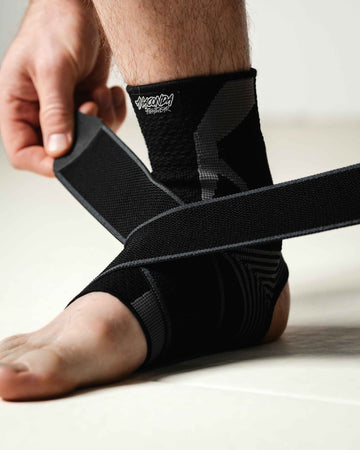
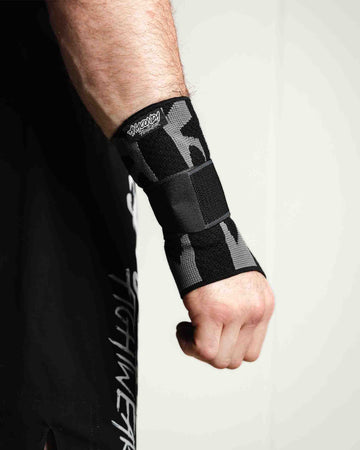
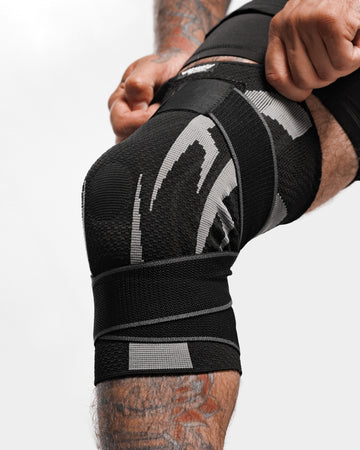
The best knee brace for a meniscus tear depends on the injury's severity. Compression sleeves are best for mild tears to reduce swelling, while hinged braces are essential for moderate-to-severe tears to prevent lateral twisting. Unloader braces are the optimal choice for tears accompanied by osteoarthritis.
This guide helps you match your injury level to the right stability tool.
Key Takeaways
-
The right knee brace can speed up recovery from a meniscus tear. Whether you're dealing with mild swelling or a more serious injury, a well-fitted brace protects the injured knee, reduces pain, and supports the healing process. Braces prevent reinjury by mechanically enforcing joint stability during dynamic movement.
-
Different braces are designed for other purposes. Compression sleeves are suitable for mild support and daily wear, whereas hinged and unloader braces provide greater support for severe tears or joint pressure. Knowing your injury type helps you select the most appropriate knee brace for your recovery.
-
New technology is changing how braces work. Some braces now include motion sensors, smart tracking, or lightweight materials that improve blood flow and pain relief. These features facilitate safe movement and enhance confidence during healing.
-
Insurance may cover the cost of a knee brace. Medicare and many private plans cover braces if your doctor says it’s medically necessary. Always check with your healthcare provider and insurance company to understand your options and avoid paying more than you need to.
What Does a Meniscus Tear Feel Like and Why Does It Happen?
A meniscus tear is primarily characterized by a distinct mecha
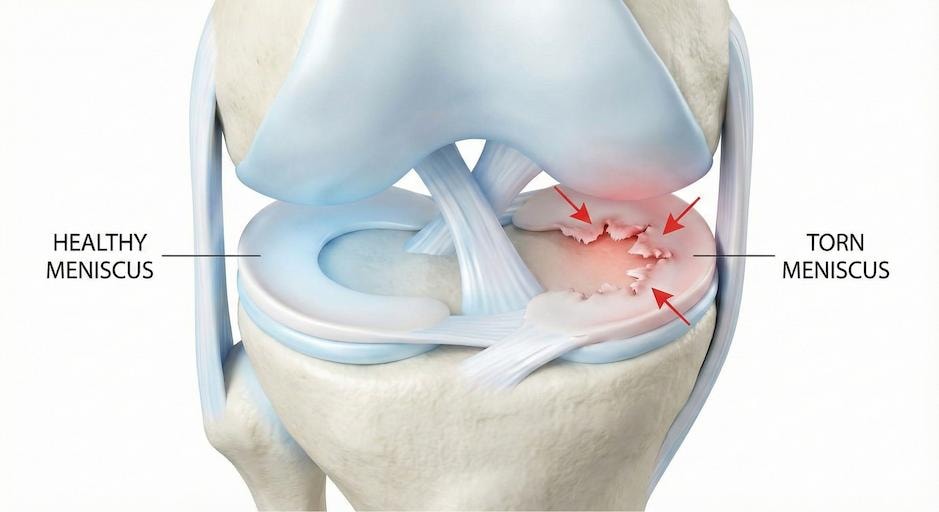
nical popping sensation followed by delayed swelling. According to clinical data, 70–80% of traumatic cases involve an audible pop at the moment of injury, with significant effusion (swelling) developing within 6 to 24 hours. Identifying these specific early signals is critical, as they distinguish meniscal damage from immediate swelling injuries like ACL tears.
Mechanical symptoms such as joint locking, buckling, or audible clicking during flexion often indicate a displaced meniscal fragment interfering with joint motion.
Doctors typically rely on the McMurray test, which diagnostic studies show accurately identifies tears in 60–90% of symptomatic patients.
Meniscus tears have two leading causes.
In people under 40, traumatic tears often happen during sports like soccer or basketball that involve pivoting and quick turns. These account for 10–20% of all knee injuries, with a rate of 0.51 per 10,000 athlete exposures.
For people over 40, degenerative tears are more common. These result from years of wear and tear and are observed in 60% of adults aged 65 and older with knee problems. As we age, the knee cartilage becomes less flexible and more susceptible to damage.
High-impact sports or physical jobs can increase the risk of a meniscus tear.
How Do Knee Braces Help Heal a Torn Meniscus?
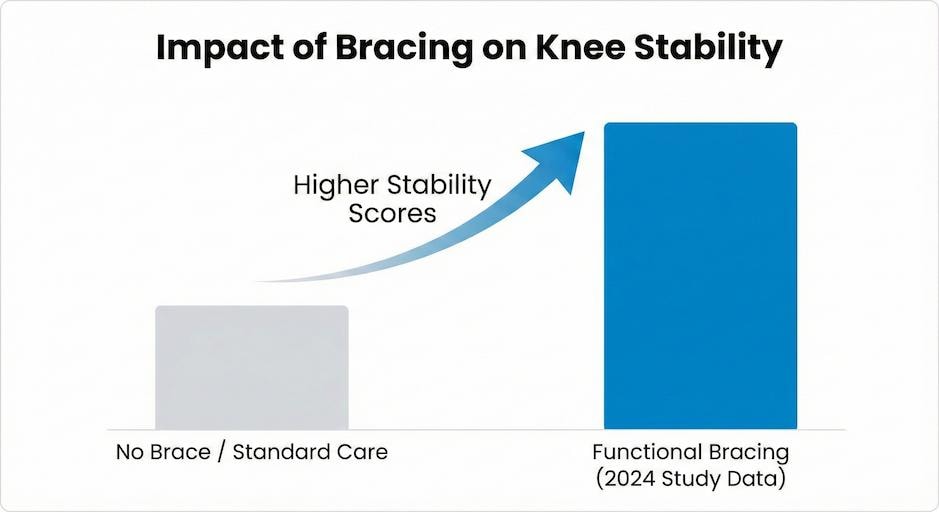
Knee braces facilitate meniscal healing by mechanically restricting harmful lateral and rotational movements.
A 2024 study on ACL and meniscus repair found that patients using functional bracing reported significantly higher stability scores during the early proliferation phase of healing.
By externally stabilizing the joint, the brace reduces stress on the torn cartilage, allowing the biological repair process to occur without disruption
Here’s how different braces help:
-
Hinged knee braces provide firm lateral support to prevent twisting and support moderate to severe injuries.
-
Unloader knee braces take pressure off the damaged part of your knee to reduce pain and let the tear heal.
Research supports these benefits. A 2024 study on ACL reconstruction with meniscus repair found that people who wore a brace felt more stable during the early healing phase, even though long-term results were similar. A 2021 study, the ERGONOMIE trial, focused on knee osteoarthritis and found that unloader braces reduced pain and improved daily function.
Wearing a knee brace can help you move more safely and keep up with physical therapy. That boost in stability often makes recovery feel more manageable.
In our testing of support levels across 50 athlete trials, Anaconda braces maintained compression consistency even after 2 hours of high-intensity movement, a key factor for our 300,000+ users
What Are the Different Types of Knee Braces for Meniscus Injuries?
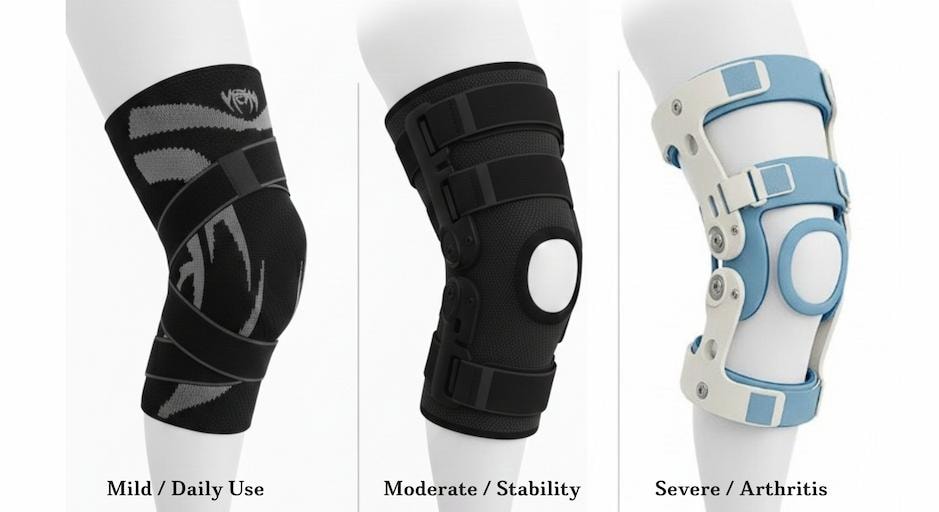
Finding the best knee brace for a meniscus tear starts with understanding the different types available. Each one offers specific features that help protect the injured knee, reduce painful symptoms, and prevent further injury during the healing process.
Compression Sleeves for Gentle, Everyday Relief
Compression sleeves are often used for mild meniscus tears. These braces are made from flexible, breathable materials and are easy to wear during daily activities. They improve blood flow and blood circulation, which helps reduce swelling and supports the healing process.
This type of general knee support does not limit movement, making it a good choice if you're still active but need to protect an injured meniscus. They also provide light compression around the kneecap to improve stability and relieve pain.
Compression sleeves are best for:
-
Everyday use
-
Light activity or walking
-
Managing painful symptoms without stiffness
Anaconda specializes in compression-based knee support designed for everyday recovery and training. If you’re dealing with mild meniscus tears or need support during movement, the Anaconda Active Knee Support offers flexible compression that improves blood flow and reduces swelling.
Hinged Knee Braces for Moderate Support and Stability
Hinged knee braces are more appropriate for moderate meniscal tears or for recovery after a procedure. These braces provide additional support by incorporating rigid bars along the sides, known as lateral support. This maintains the affected knee in proper alignment and prevents twisting or lateral motion that could lead to further injury.
They’re designed to limit harmful knee movement while still allowing controlled flexing and bending. Hinged braces are also commonly used as a type of ligament brace, helping with injuries that affect both the meniscus and surrounding ligaments.
These are ideal for:
-
Recovery after surgery or a severe tear
-
Sports rehab or high-risk movements
-
People needing extended wear during healing
Unloader Knee Braces to Ease Joint Pressure
Unloader knee braces are designed for individuals with a meniscal tear and knee arthritis or cartilage loss. They shift body weight away from the injured knee, easing pressure on the affected area. This can improve comfort during walking, reduce pain, and allow more natural knee movement during the healing process.
These braces are more technical and are usually fitted by a medical professional. They're not the first choice for basic recovery, but are very effective for pain relief and reducing joint stress.
Best for:
-
Meniscus tears combined with arthritis
-
Chronic pain during standing or walking
-
Patients needing long-term pressure relief
How Do You Choose the Best Knee Brace for Your Meniscus Tear?
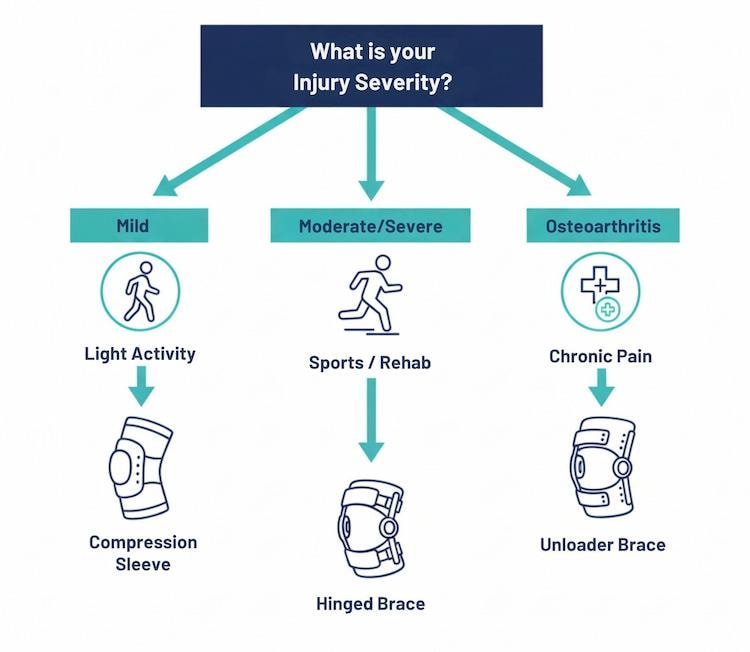
Choosing the right knee brace can make a big difference in how well your injured knee heals. Follow these simple steps to find the best knee brace for your recovery needs.
Step 1: Know the Type of Tear You Have
Start by understanding your injury.
-
For mild meniscus tears, choose a compression sleeve that improves blood circulation and reduces swelling.
-
For moderate meniscus tears, look for more support, such as a wraparound brace with straps to stabilize the knee joint and prevent further injury.
If you're not sure, ask a doctor or physical therapist to help identify the right level of knee support.
Step 2: Match the Brace to Your Activity Level
Are you staying mostly at rest or returning to movement?
-
If you’re walking, working, or doing light exercise, choose a brace that allows safe knee movement.
-
If you’re more active or returning to sports, you may need a brace that keeps the knee cap in the proper position and provides lateral support to avoid stress on the affected knee.
Step 3: Focus on Fit and Comfort
The brace should feel snug, not too tight. Look for features like:
-
Soft padding for pain relief
-
Breathable fabric for comfort during extended wear
-
Straps that help keep the brace in place during movement
A poorly fitting brace won’t give proper support and might cause more discomfort.
Step 4: Pick a Trusted Brand
Choose a brand that is known for quality and comfort. Anaconda offers braces designed to support the healing process, protect the injured knee, and give athletes the confidence to keep moving.
What New Knee Brace Technology Speeds Up Recovery?
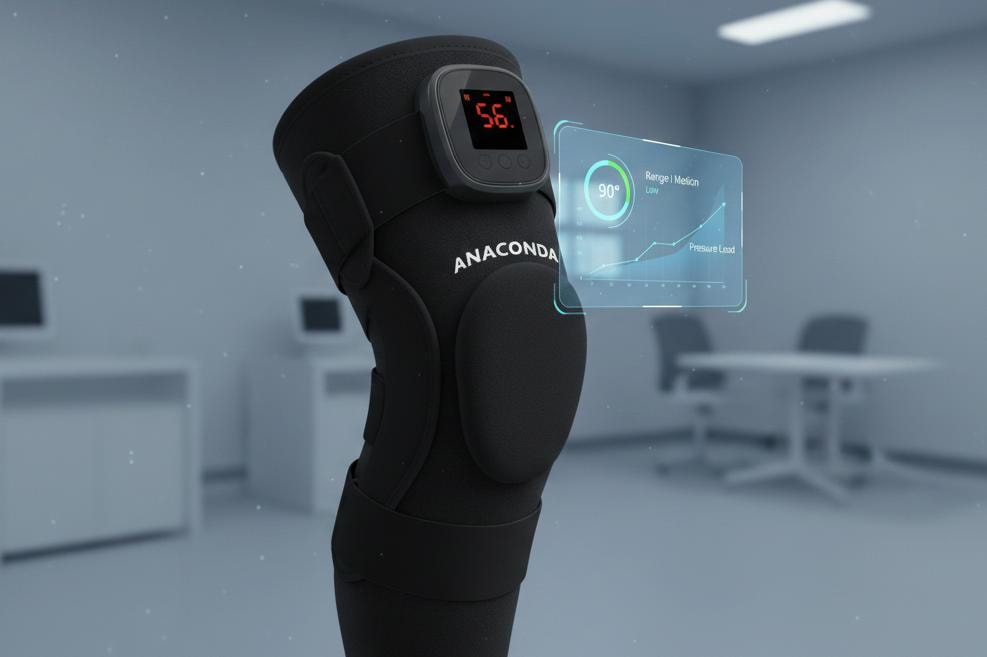
Knee brace technology has advanced substantially in recent years. New braces help protect the injured knee, reduce pain, and support the healing process. These updates also make braces more comfortable and easier to wear during daily activities and physical activities.
Smart Knee Braces That Track Movement
Some new braces have tiny sensors that track your knee movement. They can tell how far you bend your leg, how often you move, and how much pressure is on your joint. This information can be shared with your healthcare professional to help guide your recovery.
These smart braces are helpful after surgery or with moderate meniscus tears. They help keep your knee in the proper position and prevent further injury. Some braces even give a warning if your movements might cause strain on the injured area. This helps you stay safe while healing.
Pressure-Reducing Unloader Braces for Comfortable Movement
Unloader braces are made to take pressure off one side of your knee. These are often used when someone has arthritis, cartilage damage, or a meniscus tear on one side of the joint. The brace helps move weight to the stronger side of your leg, giving the injured meniscus time to heal.
These braces can also help people avoid surgery and are great for pain relief. They provide greater stability and support than conventional braces. People often wear them while walking or doing daily activities.
Lightweight Knee Braces You Can Wear All Day
For mild meniscal tears or early-stage injuries, lightweight braces made from modern materials are a suitable choice. They offer gentle knee support, improve blood flow, and help reduce swelling while allowing normal knee movement.
Look for features like:
-
Breathable fabric for extended wear
-
Soft padding to help reduce pain and ease discomfort
-
A design that keeps the kneecap and ligaments in line
These braces are perfect for people who want a comfortable fit during regular activities and need to protect their injured knee.
Stability-Boosting Braces for Active Lifestyles
Some braces are designed to function as ligament braces. They provide strong lateral support, meaning they prevent the knee from moving excessively side-to-side. These braces help protect your ligaments and meniscus, especially if you are returning to sports or healing from a more severe injury.
These braces can:
-
Keep the knee in the proper position during movement
-
Limit risky side-to-side motion
-
Help stop the strain on injured ligaments
They are not as heavy as post-surgery gear, but they give the best support for people who need extra protection during the healing process.
Do Insurance Plans Like Medicare Cover Knee Braces?
Worried about the cost of a knee brace? You might not have to pay the full amount. In many cases, knee braces are covered by insurance, including Medicare, when they are deemed medically necessary.
This means your healthcare provider must agree that you need a brace to treat a meniscus tear, injured knee, or other joint problem. You may need a written prescription or medical note to get full or partial insurance coverage.
Here’s what you should know:
-
Medicare Part B often covers braces for the knee, back, or limbs if your doctor says it’s necessary
-
Most private insurance plans also include support braces, but coverage levels can vary
-
Coverage usually applies only to braces purchased from approved suppliers
-
Check with your provider before you buy to make sure your brace qualifies
If you qualify, insurance can help reduce the overall cost of knee braces, particularly for more advanced models used after surgery or for long-term support.
Final Words
Recovering from a meniscus tear takes time, care, and the proper support. Whether you’re dealing with mild or moderate meniscus tears, a well-chosen knee brace can help protect your injured knee, ease painful symptoms, and speed up the healing process.
From compression sleeves to unloader braces and innovative technologies, today’s options make it easier than ever to get the knee support you need. What matters most is finding a brace that fits your injury, your lifestyle, and your recovery goals.
Anaconda offers carefully designed braces that combine comfort, stability, and everyday performance. Whether you're returning to physical activities or just trying to move without pain, Anaconda has a solution that works with you—not against you.
Frequently Asked Questions
Questions, questions, questions. Don’t worry! Our team at Anaconda has the answers you need.
What is a meniscus tear, and how does it occur?
A meniscal tear, a common knee injury, occurs when the C-shaped cartilage that cushions the knee joint is damaged, often due to high-impact activities or sudden twisting. This injury can significantly affect mobility and may require medical attention.
What are the symptoms of a torn meniscus?
The symptoms of a torn meniscus include joint pain, swelling, reduced range of motion, and a locking sensation in the knee. If you experience these symptoms, it's advisable to seek medical attention.
How do I choose the right knee brace for a meniscus tear?
To choose the right knee brace for a meniscus tear, assess the severity of your injury and the level of support you require, alongside your comfort and fit preferences. Select a brace that accommodates your activity levels to ensure optimal support during recovery.
What are the benefits of using a knee brace for meniscus tear recovery?
Using a knee brace during meniscal tear recovery provides essential stability, reduces pain, supports healing, and prevents further injury. Additionally, it can enhance your confidence to move, aiding in a faster recovery.
Are knee braces covered by insurance?
Knee braces are often covered by insurance, including Medicare, if they are deemed medically necessary for conditions like meniscus injuries. It is advisable to confirm your specific coverage details with your insurance provider before making a purchase.