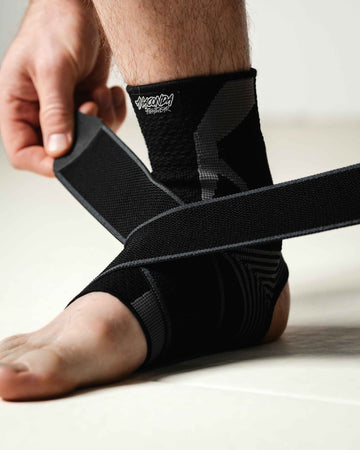
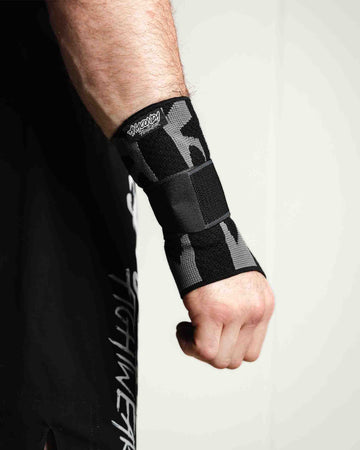
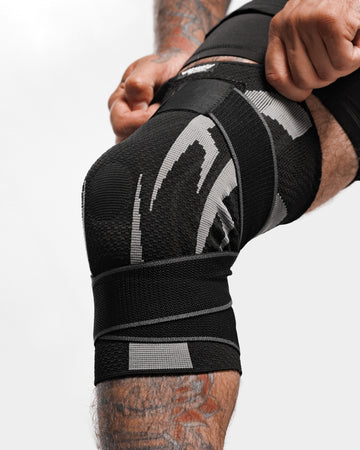
Struggling with knee pain and looking for real solutions that actually help? According to a 2011 study published in the Annals of Internal Medicine, approximately 25% of adults suffer from frequent knee pain.
Targeted lifestyle changes, including strength training and weight loss, typically result in measurable pain reduction and improved range of motion. A 2019 systemic review in the journal Sports Health confirms that strength training significantly reduces knee pain by fortifying the muscles and ligaments surrounding the joint.
This guide covers simple, effective strategies to help reduce knee pain. From joint-friendly movement and physical therapy to recovery tips and nutrition, each step is designed to improve function, protect your knees, and fit into your everyday routine.
Key Takeaways
-
Regular exercise and targeted strengthening routines can help improve mobility and ease knee pain by supporting the joints and muscles.
-
Using cold and heat therapy properly can reduce swelling, improve circulation, and help relieve pain following an injury or flare-up.
-
Losing even a small amount of weight disproportionately benefits the knees, as every one pound of weight lost reduces the pressure on the knee joint by four pounds.
-
Supportive gear, like the Anaconda Knee Brace, provides added protection during movement and can be part of a broader recovery and pain management plan.
-
Seek professional advice if knee pain becomes severe, lingers beyond two weeks, or interferes with daily movement.
What Are the Best Exercises to Reduce Knee Pain?

Exercise is the most effective non-surgical method for reducing knee pain because it strengthens the quadriceps and hamstrings that support the joint. Exercise can also relieve knee pain caused by conditions like patellofemoral pain, meniscal tears, and osteoarthritis by improving joint function and reducing inflammation.
Stronger leg muscles absorb the shock that the knee joint would otherwise take during walking or standing, while movement stimulates the production of synovial fluid to lubricate the cartilage.
Consequently, a consistent low-impact routine reduces stiffness and prevents the muscular atrophy that often worsens chronic knee conditions.
Here are a few ways regular movement may support your knees:
-
Circulation: Gentle movement increases blood flow to reduce stiffness and the ‘locked-up’ sensation.
-
Load Distribution: Strengthening the surrounding muscles transfers mechanical load away from the joint capsule.
-
Proprioception: Controlled exercises improve balance and range of motion, increasing stability.
-
Pain Management: Consistent activity releases endorphins that naturally reduce discomfort during daily tasks. Additionally, strengthening and stretching exercises can help people feel less pain in the knee area by reducing discomfort and improving joint support.
Low-Impact Cardio That’s Easy on Your Knees
To begin building a routine that supports your knees, you might want to start with cardio that’s easy on your joints:
-
Swimming: Offers full-body movement with little joint pressure, making it ideal for sore or stiff knees.
-
Cycling: Can strengthen leg muscles while keeping impact low, especially on stationary bikes.
-
Elliptical: Supports a fluid motion that’s easier on the knees compared to running.
These types of movements also support body weight management, which, in turn, may help reduce strain on the knee joint during activity.
Strengthening Moves That Protect Your Knees
Once you feel ready, adding simple strengthening movements may offer even more support. Each of the following focuses on building muscle around the knee without overloading it and can be modified to your comfort level.
Hamstring Stretch
Loosening tight hamstrings can reduce pulling on the knee joint and ease day-to-day tension. This gentle stretch improves flexibility and may make walking, bending, and standing more comfortable.
How to do it:
-
Lie on your back with one leg extended on the floor.
-
Lift the opposite leg slowly, keeping it straight or with your leg bent for comfort.
-
You can start with your right foot for proper technique. Gently pull the leg toward your chest with your hands or a towel behind the thigh.
-
Hold for 15–30 seconds, then switch sides.
-
Repeat 2–3 times per leg.
Side-Leg Raise
This move strengthens the outer hip and thigh muscles—the exact muscles that help stabilize the knee during movement. Improved stability often means less wobbling, less strain, and more confidence when walking or climbing stairs.
How to do it:
-
Lie on your side with your legs stacked and your bottom arm supporting your head.
-
Bend the bottom leg for balance, leaving the top leg straight.
-
Lift the top leg slowly to a comfortable height.
-
Pause briefly, then lower with control.
-
Repeat 10–15 times per side, working up to 2–3 sets.
Mini Squats
Mini squats build strength in the quads and glutes, two of the most important muscle groups for healthy knee mechanics. Because the movement is small and controlled, it offers strength benefits without deep bending or excess pressure.
How to do it:
-
Stand with feet hip-width apart, near a chair or wall for support if needed.
-
Bend your knees slightly, lowering your hips just a few inches.
-
Keep your chest lifted and weight evenly distributed.
-
Slowly rise back to standing.
-
Aim for 8–12 repetitions, gradually increasing to 2–3 sets.
Bridge
Bridges activate the glutes, hips, and core, muscles that help take pressure off the knees during everyday movement. Strong hip support can make your knees feel more secure when standing, walking, and going up stairs.
How to do it:
-
Lie on your back with knees bent and feet flat on the floor.
-
Tighten your core and press through your heels.
-
Lift your hips until your shoulders, hips, and knees form a straight line.
-
Hold for a few seconds, then lower slowly.
-
Perform 10–15 repetitions, up to 2–3 sets.
These exercises can be done a few times a week, starting with low reps and increasing as you feel more confident. Focus on quality movement, and give your body time to adjust.
Mind-Body Moves That Boost Flexibility & Balance
For added flexibility and balance, gentle mind-body practices may also be worth exploring. These options offer low-impact ways to move while also promoting calm and control:
Gentle movement like yoga or tai chi can be a calming way to support recovery, especially on rest days or when you want something light. In fact, in patients with osteoarthritis, a study showed that yoga reduced walking pain by 37% in 15 days, and by 65% at 90 days, outperforming standard therapeutic exercises. It also indicates that Improved knee discomfort significantly after 12 weeks, with substantial short-term benefits.
Even if results vary over time, many people feel real relief with regular practice. It doesn’t have to be perfect, just consistent. Simple, steady movement that aligns with how your body feels can help ease pressure on your knees and support long-term comfort.
When Should You See a Physical Therapist for Knee Pain?

In some cases, working with a licensed physical therapist can be a helpful addition to your recovery approach. Healthcare professionals often recommend physical therapy as a first-line treatment for knee pain, as it can help restore mobility and reduce discomfort before considering surgical options. Professional guidance may offer structure, support, and a more tailored plan to help manage knee pain relief through targeted movement and rehabilitation.
Here’s how physical therapy can support your knee health:
-
Provides personalized treatment plans: Therapists can adjust exercises based on your specific symptoms, movement patterns, and goals.
-
Focuses on long-term joint support: Strengthening the muscles around the knee joint may help improve balance and stability.
-
Improves consistency and safety: Guided programs are designed to be progressive, reducing the risk of discomfort from muscle weakness or improper form.
Clinical research supports the benefits of supervised physical therapy. One randomized clinical trial found that patients with knee osteoarthritis pain received clinic-based therapy including supervised exercise and manual therapy. They had a 52% improvement in WOMAC scores (a measure of pain, stiffness, and function) after just 4 weeks, compared with 26% in patients following unsupervised home routines. The clinic-based group also improved by 12% in 6-minute walk tests, showing better function.
One year later, both groups maintained gains, but the supervised group required fewer medications and reported higher satisfaction with their recovery.
While some issues resolve with time, there are signs that it may be time to seek professional help:
-
Pain lasts longer than two weeks: Ongoing symptoms may benefit from a more structured program.
-
Everyday tasks become more difficult: If standing, walking, or moving your left leg or other leg becomes harder, therapy may help restore comfort.
-
Movement feels unsteady: Issues like stiffness, muscle weakness, or reduced mobility may be addressed through guided movement.
Getting help from a physical therapist can lead to a plan that works with your body and helps reduce pain through steady improvement.
Physical Therapy Techniques That Actually Work
Physical therapists often include the following approaches in treatment plans:
-
Manual therapy: Hands-on joint or soft tissue work may reduce inflammation, improve movement, and provide pain relief.
-
Stretching exercises: Target tight or overused areas to promote flexibility and comfort. You might start by keeping both legs straight during a hamstring stretch, then gently switch legs to even out tension.
-
Strengthening movements: Build support in the muscles around the knees, hips, and core to improve balance and help relieve discomfort.
-
Mobility drills and balance training: Support long-term recovery and reduce the risk of minor injuries during everyday activities.
These techniques are often included as part of a comprehensive treatment plan, which is tailored to each patient's needs and may combine medical therapies, lifestyle adjustments, and complementary treatments to improve joint health and reduce pain.
Most physical therapists don’t just focus on the knees. They’ll work on your hips, thighs, and core too, because everything’s connected. Strengthening those areas can help your knees feel more supported and your movement feel more natural.
If things are a bit more complicated, your therapist might loop in your doctor or suggest extras like heat, ice, or over-the-counter pain relief to help you recover more comfortably.
With the proper support and a bit of consistency, a good PT plan can help you feel stronger, steadier, and more confident doing the things you love.
Is Heat or Cold Therapy Better for Knee Pain?

The choice between heat and cold therapy depends entirely on the timing and nature of the knee pain. Cold therapy (cryotherapy) is superior for acute injuries within the first 48 hours to constrict blood vessels and blunt inflammation, whereas heat therapy is more effective for chronic stiffness to increase blood flow and relax tight tissues. Using the correct modality ensures faster recovery, while applying heat to a fresh injury can inadvertently increase swelling.
These methods are commonly used after playing sports, during recovery, or alongside other treatments, such as physical therapy.
Cold Therapy (First 48–72 Hours)
Cold therapy is often the first step when managing a new or acute injury, especially within the first 48 to 72 hours. It can help:
-
Reduce inflammation: Applying cold to the area slows blood flow, which may help limit swelling.
-
Numb discomfort: Cold can temporarily block nerve activity, which may help relieve sharp or sudden pain.
-
Minimize swelling and bruising: Use a wrapped ice pack or a bag of frozen peas to deliver targeted cold to the knee joint. Using frozen peas works well as a gentle and accessible method to reduce swelling and numb pain. Just be sure to protect your skin with a cloth.
For best results:
-
Apply for 10–15 minutes at a time
-
Wait at least 45 minutes between sessions
-
Use cold therapy several times per day in the first 2–3 days after injury
Many athletes also wear a knee brace during this stage. The Anaconda Knee Brace combines compression with stability, which may help reduce excessive movement and relieve pressure on the joint.
Heat Therapy (After Swelling Fades)
Once the initial swelling goes down, heat therapy may be used to relax tight muscles and encourage circulation. This makes it especially helpful when stiffness is a problem.
Heat can be beneficial if:
-
The area feels tight or stiff
-
You're returning to activity after rest
-
You’re preparing for exercises like squats or time on the elliptical machine
To use heat safely:
-
Apply a warm compress or heating pad for 15–20 minutes
-
Never apply heat immediately after an injury
-
Test the temperature to avoid burns
Warm therapy can promote oxygen delivery to tissue, reduce joint stiffness, and ease pain intensity in patients with knee pain. Many report milder symptoms and improved function after consistent use.
In some cases, alternating between cold and heat can be helpful, especially when soreness and stiffness are both present. Here's how to do it safely:
-
Start with cold for 10–15 minutes to reduce inflammation.
-
Wait about 30 minutes.
-
Follow with heat for 15–20 minutes to relax tissues and support circulation.
Can’t decide between ice or heat? Switching between both, known as contrast therapy, can actually work better than using just one. A clinical study showed that patients with knee osteoarthritis experienced better pain relief and improved knee function when alternating hot and cold.
About half of the participants preferred heat, while the rest were split between cold and alternating between the two. Interestingly, people often had the most relief when they used the method they liked best.
This hot-and-cold combo helps in different ways. Cold reduces swelling and numbs pain, while heat loosens tight muscles and improves circulation. It’s a popular recovery method for athletes, especially after sports or minor injuries.
Which Medications Help Manage Knee Pain?
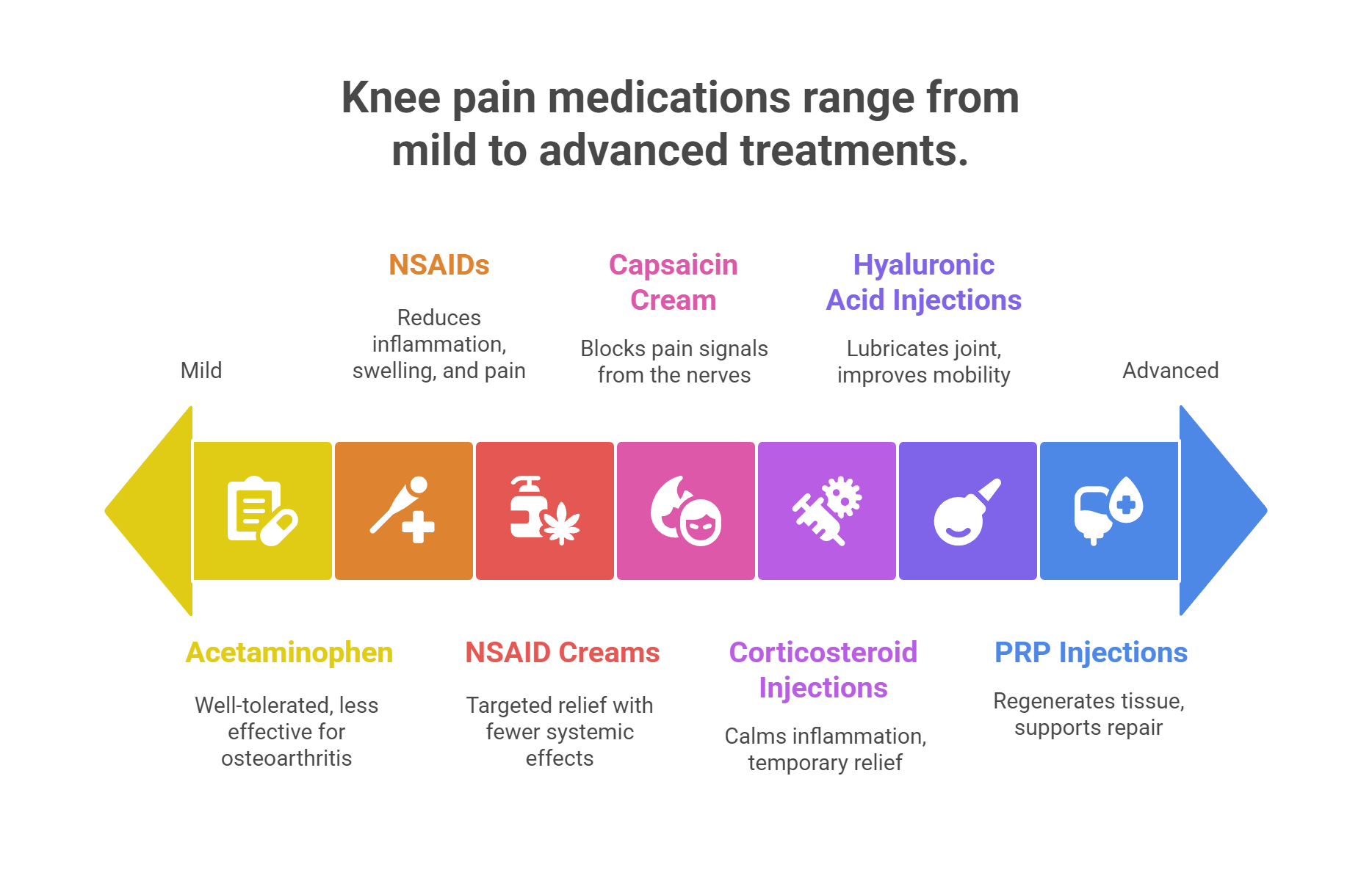
If you’re looking for ways to manage knee pain, medication may offer another layer of relief, especially when combined with physical therapy, movement, or support like a knee brace. Medications are commonly used to treat knee pain by targeting inflammation and discomfort. From everyday options you can grab at the pharmacy to more advanced treatments offered by your doctor, several categories of medication may help relieve discomfort and improve quality of life.
Let’s break down the main types of medication often used to support knee joint health.
Over-the-Counter Medications
These are typically the first line of defense when soreness, stiffness, or mild swelling becomes a common complaint:
NSAIDs (Nonsteroidal Anti-inflammatory Drugs)
Options such as ibuprofen and naproxen are widely used to reduce inflammation, swelling, and pain. They work by blocking enzymes that trigger inflammation. While effective, long-term or high-dose use can carry risks such as gastrointestinal issues (ulcers, bleeding), cardiovascular concerns (heart attack, stroke), and drug interactions. Always follow dosage instructions carefully and speak to a healthcare provider if unsure.
Acetaminophen (Paracetamol)
Often recommended for mild to moderate pain, it’s generally well tolerated but may be less effective for osteoarthritis-related knee pain compared to NSAIDs, based on current research.
Topical Pain Relief Options
If you prefer to avoid oral medications, topical treatments may provide targeted benefits with fewer systemic effects:
NSAID creams (e.g., diclofenac gel or Voltaren)
These topical products can be applied directly to the knee joint, delivering pain relief faster than oral options and with fewer whole-body side effects. They work by being absorbed through the skin, directly reducing local inflammation.
Capsaicin cream
Made from chili pepper extract, this formula works by blocking pain signals from the nerves. It may be conducive for those dealing with joint pain and chronic soreness.
These creams may take a few applications to feel noticeable results, but can be part of a larger routine alongside exercises or cold therapy.
Injectable Treatments for Knee Pain
For persistent or more advanced cases, some patients may explore in-office injections that target the joints directly:
-
Corticosteroid injections: These are often used to calm inflammation and offer temporary relief from swelling and pressure. Results may last a few weeks or months, depending on your activity and condition.
-
Hyaluronic acid injections: This substance mimics the natural fluid in your knee joint and may help with lubrication, mobility, and stiffness.
-
Platelet-rich plasma (PRP) injections: This regenerative option uses components from your own blood, concentrating growth factors to support tissue repair over time.
While an orthopedic surgeon or specialist usually handles these options, it's important to note that orthopaedic surgeons are medical professionals who diagnose and treat musculoskeletal conditions, including advanced knee pain treatments. These options may be worth discussing if you’ve tried other conservative methods with limited success.
How Do Braces and Compression Support Knee Relief?
Compression and support strategies can be incredibly helpful in managing knee pain, especially when you're recovering from an injury or looking to maintain stability during activity. When used correctly, tools like knee braces and compression bandages can reduce swelling, improve movement confidence, and protect joints during daily activities or exercise.
Let’s take a closer look at the benefits of braces and compression support.
Knee Braces
Knee braces are often recommended for individuals recovering from an injury or looking to prevent strain during physical activity. They can:
-
Provide support and stability to the knee joint, especially if you're returning to playing sports or navigating everyday movement.
-
Help reduce pain and stiffness while promoting better mobility
-
Distribute pressure more evenly, lowering the risk of further stress on the joint
-
Offer assistance when you need to slowly lower yourself to a seated position or stand on one foot during balance work
Based on feedback from over 250,000 athletes, the Anaconda Knee Brace distinguishes itself through its specific gel padding and stabilizing straps. Unlike standard sleeves, this brace’s compression design actively minimizes lateral movement during high-impact activities.
Designed with gel padding, stabilizing straps, and a secure grip, it helps keep the brace in place even during intense workouts or martial arts training.
Why users love it:
-
Offers compression that supports joint health and aids recovery
-
Prevents excessive twisting that could lead to minor injury
-
Absorbs impact and helps you move confidently, whether you’re climbing stairs, using an elliptical machine, or working through rehab sessions
-
Feels more effective than makeshift options like wrapping frozen peas, especially for more extended wear
With thousands of 5-star reviews, the Anaconda Knee Brace is a proven choice for those wanting extra reassurance during recovery or performance. Whether you're bouncing back from discomfort or staying proactive, it’s an effective support tool for your routine.
Compression Bandages
Compression bandages are a simple and affordable way to support the knee, especially during the early stages of knee injury management. When wrapped properly, they can:
-
Reduce inflammation and swelling after an injury
-
Support soft tissue without fully immobilizing the muscles around the joint
-
Improve circulation, which may enhance the body’s natural healing response
A few reminders for safe use:
-
Wrap the bandage evenly, avoiding excessive tightness
-
Make sure blood flow is not restricted in your left leg, right leg, or foot
-
Combine with rest, ice, and elevation for a complete recovery strategy
-
Consider using them alongside other treatments, such as platelet-rich plasma injections or physical therapy, depending on your needs.
Whether you opt for a structured brace like the Anaconda or a traditional wrap, compression and support tools are a key part of maintaining joint health. This is especially when combined with guidance from a provider and safe training habits. These options may also help delay or reduce reliance on more invasive procedures, such as surgery.
How Does Weight Management Affect Knee Pain?

Carrying excess weight is one of the most significant risk factors for knee discomfort. Even a small reduction can significantly ease pressure on the joints, improving both comfort and mobility.
Let’s explore how managing your weight can help reduce strain and support long-term joint health.
Impact of Extra Weight
Extra body mass increases the pressure on the knee joint with every step you take. For example, walking can put four times your body weight on your knees, and climbing stairs multiplies that load further.
This extra burden can worsen cartilage breakdown, accelerate arthritis, and cause muscle weakness from compensatory movements.
Over time, this creates a cycle of pain and reduced activity that contributes to further weight gain and mobility loss. That’s why even moderate weight loss can make a meaningful difference.
Weight Loss Strategies
Simple lifestyle changes, such as reducing portion sizes and increasing vegetable intake, can support weight loss and improve knee health. Incorporating a walking program and strength training can facilitate weight loss while managing knee pain. A combination of dietary changes and regular aerobic exercise can be effective in reducing knee pain associated with obesity.
In addition to dietary changes, incorporating strength training and gradually increasing physical activity can support weight-loss efforts for individuals with knee pain. These strategies not only help in weight management but also enhance overall joint health and mobility.
Which Dietary Changes Help Reduce Inflammation?
A well-balanced diet rich in whole foods can help manage knee pain and improve overall health. Hydration is crucial for joint health, as it helps maintain synovial fluid, which lubricates joints.
Next, we focus on anti-inflammatory foods and the importance of staying hydrated for knee health.
Anti-Inflammatory Foods
Incorporating the following foods can help alleviate joint inflammation:
-
Fish high in omega-3 fatty acids, such as salmon and sardines
-
Fruits like cherries, blueberries, and strawberries contain antioxidants that positively affect inflammation
-
Nuts, especially walnuts and almonds, are beneficial due to their anti-inflammatory properties and healthy fats
Turmeric and ginger are also known for their anti-inflammatory properties and may help relieve knee pain.
Hydration
Staying adequately hydrated is crucial for joint lubrication, which can alleviate knee discomfort. Proper hydration supports nutrient transport to the joints, aiding repair and reducing pain. Dehydration can increase joint friction, making movements feel stiff and uncomfortable.
Consuming water-rich fruits and vegetables enhances hydration and supports overall joint health.
What Are the Advanced Options for Severe Knee Pain?
Complementary therapies, such as acupuncture and massage, can support conventional treatments in managing knee pain. For individuals experiencing painful knees due to injuries, arthritis, or overuse, advanced management strategies may be necessary to alleviate discomfort and prevent further damage. These therapies can enhance conventional treatments by providing additional relief and improving overall well-being.
Here, we explore acupuncture, massage, yoga, and meditation as complementary therapies for relieving knee pain.
Acupuncture and Massage
Acupuncture is a therapeutic approach that involves stimulating specific points on the body to promote healing. By targeting these points, acupuncture may help reduce knee pain by facilitating healing and providing pain relief.
Massage therapy can improve circulation and help relieve muscle tension around the knee, contributing to pain relief.
Yoga and Meditation
Yoga promotes flexibility and strength, which can help reduce knee pain by enhancing joint stability. Practicing yoga may improve flexibility and strength around the knee joint, while meditation can help manage pain through relaxation techniques.
These practices can be as effective as strengthening exercises for alleviating knee pain from osteoarthritis.
Advanced Pain Management Options
Advanced pain management for knee issues includes minimally invasive procedures like nerve blocks and radiofrequency ablation to alleviate chronic pain.
Genicular Nerve Blocks
Genicular nerve blocks target specific nerves around the knee to provide localized pain relief. This procedure involves injecting an anesthetic near specific knee nerves, providing immediate pain relief for certain knee conditions.
It’s often used when other treatments fail to provide adequate relief.
Radiofrequency Ablation
Radiofrequency ablation uses radio waves to generate heat and disrupt nerve function, providing lasting pain relief for individuals with chronic knee pain. This technique effectively reduces pain in chronic knee conditions by disrupting nerve signals.
Peripheral Nerve Stimulation
Peripheral nerve stimulation involves implanting a small device that delivers electrical impulses to help alleviate severe knee pain. This method treats severe knee pain by interrupting pain signals, showing promise for improving patients' quality of life.
How Do You Treat a Fresh Knee Injury? (The RICE Method)
The RICE protocol, which stands for:
-
Rest
-
Ice
-
Compression
-
Elevation is widely recommended as an initial treatment for acute knee injuries. Utilizing the PRICER protocol enhances the RICE method by emphasizing protection of the injured area, a crucial step for recovery.
The RICE method can also be helpful during an arthritis flare to reduce swelling and manage sudden increases in knee pain.
Here, we detail the steps of the RICE/PRICER protocols and their benefits for acute injury management.
Rest and Ice
Resting the affected knee, especially after injury, is essential for effective healing and recovery. Applying ice can minimize swelling and numb pain, providing relief after an injury.
Cold therapy should be applied for 10 to 20 minutes to effectively numb sharp pain and lessen swelling during the initial phase.
Compression and Elevation
Applying compression and elevating the knee can help reduce swelling and promote blood flow during recovery. Using compression bandages can help minimize swelling and support overall recovery.
Elevating the limb above heart level helps ensure fluid drainage and further reduces inflammation.
Protection and Rehabilitation
Incorporating protective measures, such as knee braces, not only provides support but also helps to stabilize the knee during the healing phase. Compression bandages are essential for managing swelling and can reinforce the effects of the RICE protocol when applied correctly.
Physical therapy can significantly enhance recovery by providing structured rehabilitation and addressing specific deficits.
Final Words
Managing knee pain is all about consistency and wise choices. Regular movement and physical therapy help build strength and stability around the joint. Ice or heat can ease swelling and stiffness, while topical treatments or medications can provide additional relief when needed.
If the pain lasts more than 2 weeks, worsens, or follows an injury, it’s best to check in with a healthcare provider for proper guidance.
For daily support, the Anaconda Knee Brace can add stability and comfort whether you’re walking, training, or just staying active.
With the right mix of movement, support, and care, you can reduce pain, protect your knees, and move through life with greater ease.
Frequently Asked Questions
Quick answers to common questions about knee pain, treatments, and staying active safely.
When should I consult a physical therapist for knee pain?
If your knee pain persists for more than two weeks despite self-care measures, it’s important to consult a physical therapist for professional evaluation and treatment.
What are some effective low-impact exercises for knee pain?
Swimming and cycling are excellent low-impact exercises that alleviate knee pain by reducing joint stress while improving cardiovascular fitness. Incorporating these activities into your routine can improve mobility and overall comfort.
How can weight loss help alleviate knee pain?
Weight loss can significantly alleviate knee pain by reducing the load on the knee joints; for instance, losing just 10 pounds can decrease the joint stress by roughly 40 pounds. This reduction can lead to substantial relief and improved mobility.
What are the benefits of heat and cold therapy for knee pain?
Heat and cold therapy can effectively manage knee pain by reducing swelling and numbing discomfort with cold, while heat relaxes muscles and enhances blood flow. Alternating between these methods offers comprehensive relief.
What are some advanced pain management options for knee pain?
Advanced pain management options for knee pain include genicular nerve blocks, radiofrequency ablation, and peripheral nerve stimulation, all of which offer targeted relief through minimally invasive techniques. Consider discussing these options with your healthcare provider to find the best approach for your needs.