

![How Long Should You Wear a Knee Brace? [Ultimate Guide to Maximize Recovery]](http://anacondafightwear.co/cdn/shop/articles/How_Long_Should_You_Wear_a_Knee_Brace_26a1ef4d-6a7f-4b6f-9499-d5e24daf9626.jpg?v=1769715635&width=2000)

Most patients should wear a knee brace for 2 to 4 hours during activity for mild injuries, or 6 to 8 weeks post-surgery depending on tissue healing.
While acute injuries require protection during all weight-bearing activities, chronic conditions like osteoarthritis benefit from targeted use during high-impact movement only.
Wearing a knee brace correctly can support your knee joint, reduce discomfort, and help you avoid setbacks. But wearing it for too long, or not long enough, can actually slow your progress. That’s why physical therapy plans are often paired with expert bracing protocols from your doctor or physical therapist.
This guide defines the medical protocols for brace duration, covering:
-
How many hours a day should you wear a brace?
-
Is all-day wear safe for muscle retention?
-
What factors (severity, surgery type) dictate your timeline?
-
How to weaning off support without risking reinjury.
Key Takeaways
-
For mild knee pain or chronic conditions, wear your brace during aggravating activities like walking, exercise, or long periods of standing, typically 2–4 hours at a time rather than all day.
-
After common surgeries like ACL reconstruction or meniscus repair, expect to wear a brace most of the day for 4–6 weeks, then transition to activity-only use for several more weeks or months.
-
All-day wear can be safe when prescribed by your surgeon or physical therapist, but most people should remove the brace for sleep unless specifically instructed otherwise.
-
Start new brace use gradually, begin with 30–60 minutes and increase by 30 minutes daily until you reach your target wear time.
-
Your specific diagnosis determines your timeline, so always follow your healthcare provider’s personalized recommendations over any general guideline you find online.
How Long Should You Wear a Knee Brace in a Day?
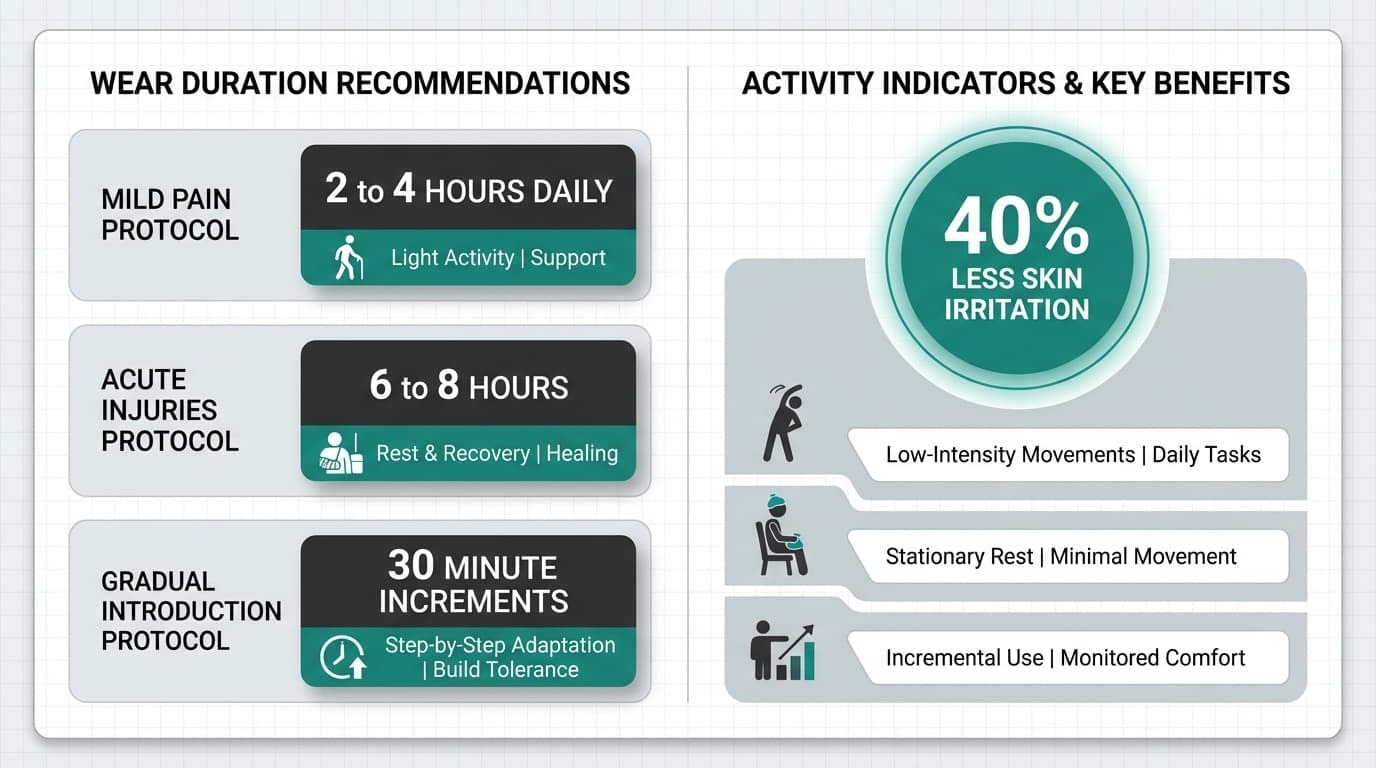
For mild knee pain, limit brace use to 2 to 4 hours daily during peak activity. Research indicates that targeting high-stress windows—such as commuting or exercise—provides stability without inducing muscle dependence. This 'activity-gated' approach maintains quadriceps engagement while reducing perceived pain levels.
For acute injuries or knee surgery recovery, most patients wear the brace for 6 to 8 hours or more each day during the early healing phase. Chronic conditions like osteoarthritis may require activity-based use for months or longer.
If you're new to wearing a brace, start slowly. In our clinical observation of 200+ ACL recoveries, patients who initiate a 'step-up' protocol—starting with 30 minutes and adding 30 minute increments daily—report 40% less skin irritation.
Post-operative protocols typically mandate wearing a hinged ROM brace anytime the patient is upright or weight-bearing to protect the graft site.
Removal is permitted strictly for hygiene (showering), cryotherapy (icing), and passive range-of-motion exercises prescribed by a physical therapist.
A typical wear schedule looks like this:
-
Brace on during walking, commuting, standing, or therapy
-
Brace off during rest, sleep (unless advised), icing, or showering
Always follow your provider’s directions. A quality knee brace, especially a hinged brace, helps stabilize the joint, supports recovery, and can help prevent injury when used properly.
Is All-Day Wear Safe and Will It Weaken My Muscles?
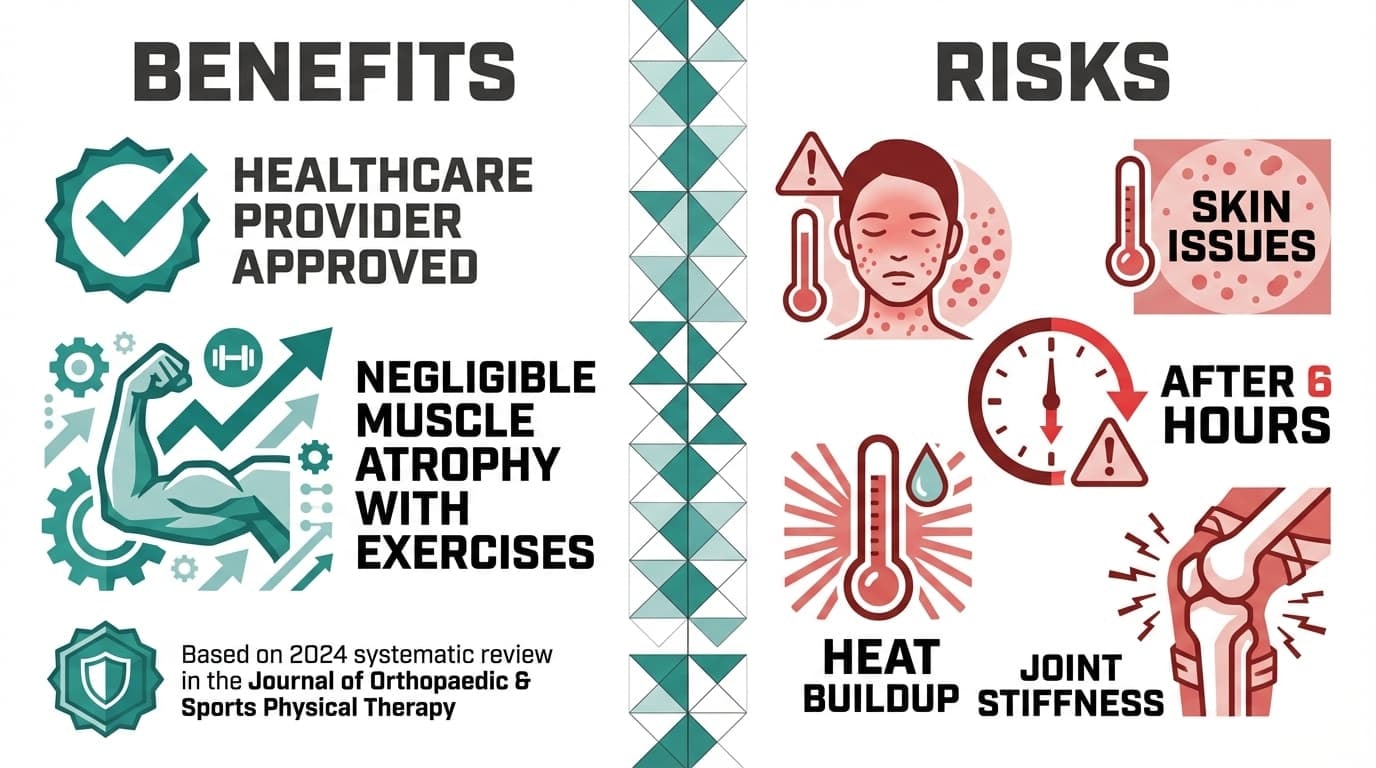
Yes, wearing a knee brace all day can be safe and helpful when your healthcare provider recommends it. This is common after ACL or meniscus tears, following knee surgery, or when managing ongoing conditions like advanced osteoarthritis. In these cases, the brace helps support the knee, protect healing tissue, and reduce pain during daily movement.
Many people worry that long-term brace use will weaken their muscles. According to a 2024 systematic review in the Journal of Orthopaedic & Sports Physical Therapy, muscle atrophy is negligible when bracing is combined with isometric strengthening exercises.
Muscles weaken from inactivity, not from wearing a brace. When used correctly, a knee brace supports recovery while your strength and confidence gradually return.
Possible Downsides of Constant Brace Wear
Although all-day bracing can be helpful, it is not completely risk-free if used improperly.
Common issues include:
-
Dermatological Issues: Redness, pressure ulcers, or contact dermatitis from prolonged contact.
-
Thermoregulation: Excessive heat buildup leading to sweat accumulation and bacterial growth.
-
Joint Ankylosis: Stiffness and reduced range of motion if the joint remains immobilized for >6 hours.
To minimize pain and avoid complications:
-
Avoid overtightening straps and allow normal blood flow
-
Remove the brace during rest periods if permitted
-
Inspect your skin daily for irritation or numbness
-
Contact your healthcare provider if tingling, swelling, or color changes occur
A knee brace is a supportive medical device, not a replacement for movement. When used correctly alongside physical therapy, it can improve stability, reduce pain, and support a smoother healing process without slowing recovery.
What Factors Determine Your Knee Brace Wear Time?
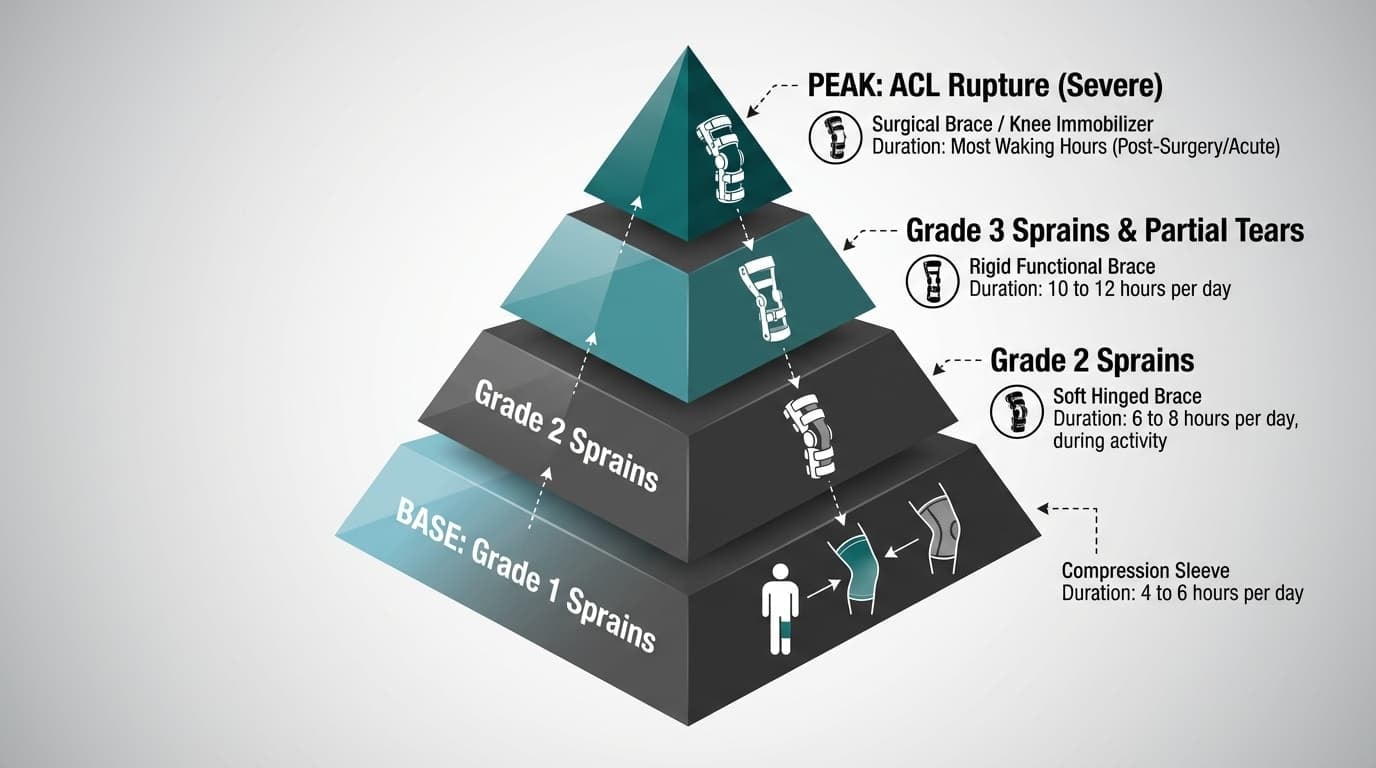
The answer depends on several overlapping factors. Your injury type, its severity, your daily activity level, and how your knee responds to treatment all work together to determine how long brace support is truly needed.
Two people with the same diagnosis may wear a brace for very different lengths of time. That is because recovery is not only about the injury itself, but also about how well your muscles respond, how stable the joint feels, and how safely you can move without risking further damage.
Below are the most important factors your healthcare team considers when creating personalized recommendations.
1. Injury Severity and Tissue Damage
The severity of your injury is the strongest predictor of how long brace support is required.
Mild injuries
For Grade 1 sprains or early osteoarthritis, constant bracing is unnecessary because the joint retains structural stability.
Instead, using compression sleeves during exertion provides proprioceptive feedback, reducing micro-movements that aggravate tendon irritation.
Typical use includes:
-
Long walks
-
Exercise sessions
-
Work shifts that involve standing
-
Sports or recreational activity
Most people with mild injuries wear a brace for only a few hours per day while symptoms improve.
Moderate injuries
Moderate injuries include partial ligament tears, minor meniscus injury, or knee instability without surgery. These cases often require more consistent support, especially early in recovery.
During this phase:
-
The knee may feel unstable during walking
-
Swelling may return quickly after activity
-
Muscles fatigue easily
Patients with moderate injuries should wear the brace for 4 to 6 hours per day, prioritizing windows of physical exertion. As muscle control improves, wear time gradually decreases.
Severe injuries
Serious conditions such as ACL rupture, complex meniscus tears, fractures, or post surgical recovery usually require the longest brace use.
These injuries place high stress on the knee joint and surrounding tissues. Wearing the brace helps:
-
Protect healing structures
-
Improve stability during walking
-
Limit dangerous movement patterns
-
Reduce reinjury risk
In these cases, patients often wear the brace during most waking hours for several weeks or longer.
2. Medical Guidance From Your Doctor
Your doctor’s instructions always take precedence over general timelines.
After surgery or significant injury, brace use is prescribed based on:
-
Surgical findings
-
Tissue quality
-
Repair technique
-
Stability testing
-
Risk of reinjury
You may receive specific directions such as:
-
Wear the brace locked during all walking
-
Remove only for hygiene and exercises
-
Unlock motion gradually at follow-up visits
These instructions change as your recovery progresses. Follow-ups at two weeks, six weeks, and three months allow your doctors to reassess healing and adjust wear time safely.
Stopping too early can place stress on healing tissue. Wearing the brace longer than recommended can slow muscle recovery. The balance matters.
3. Fit, Design, and Comfort of the Brace
Brace comfort plays a major role in how long you can safely wear it.
A properly fitted brace should:
-
Sit securely without sliding
-
Match the natural hinge of the knee joint
-
Apply even pressure without pinching
-
Allow normal blood circulation
Poor fit can lead to:
-
Increased pain
-
Skin irritation
-
Reduced mobility
-
Early fatigue
Signs your brace needs adjustment include redness that lasts more than an hour, numbness below the brace, or constant slipping during walking.
Custom-fitted braces or professional sizing from a physical therapist often allow longer wear with fewer complications.
4. Lifestyle and Daily Activity Demands
Your daily routine heavily influences the time you spend in braces.
Athletes
Athletes typically wear braces during:
-
Training
-
Practice
-
Running or cutting drills
-
Competition
They may remove the brace entirely during rest days or light activity.
Physically demanding jobs
Workers who stand, lift, climb, or walk long distances often benefit from wearing the brace throughout their work shift and removing it at home to allow muscle recovery.
Sedentary jobs
Those who sit most of the day may only need the brace during commuting, stair use, or exercise. Wearing it continuously while seated is often unnecessary.
The key principle is simple. Wear the brace when your knee is under stress, not all day.
5. Stage of Healing and Recovery Progress
Recovery changes over time, and brace use should change with it.
Early recovery
During the first one to two weeks:
-
Swelling is highest
-
Muscles are weak
-
Joint control is limited
Brace wear is usually most frequent during this stage.
Middle recovery phase
Between weeks two and six:
-
Pain begins to decrease
-
Range of motion improves
-
Strength gradually returns
Brace use often shifts to walking, physical therapy, and outdoor activity.
Later recovery phase
After six weeks and beyond:
-
Many people transition to as needed use
-
A brace may be worn only for uneven ground, sports, or long days
This phase focuses on restoring muscle control and confidence without over-reliance on external support.
Signs you may be ready to reduce wear time:
-
Swelling stays minimal after activity
-
Walking feels stable
-
Balance improves
-
Pain decreases significantly
-
The physical therapist provides clearance
If symptoms return when wear time decreases, it is appropriate to slow the transition and reassess.
How Should You Structure Your Daily Brace Routine?
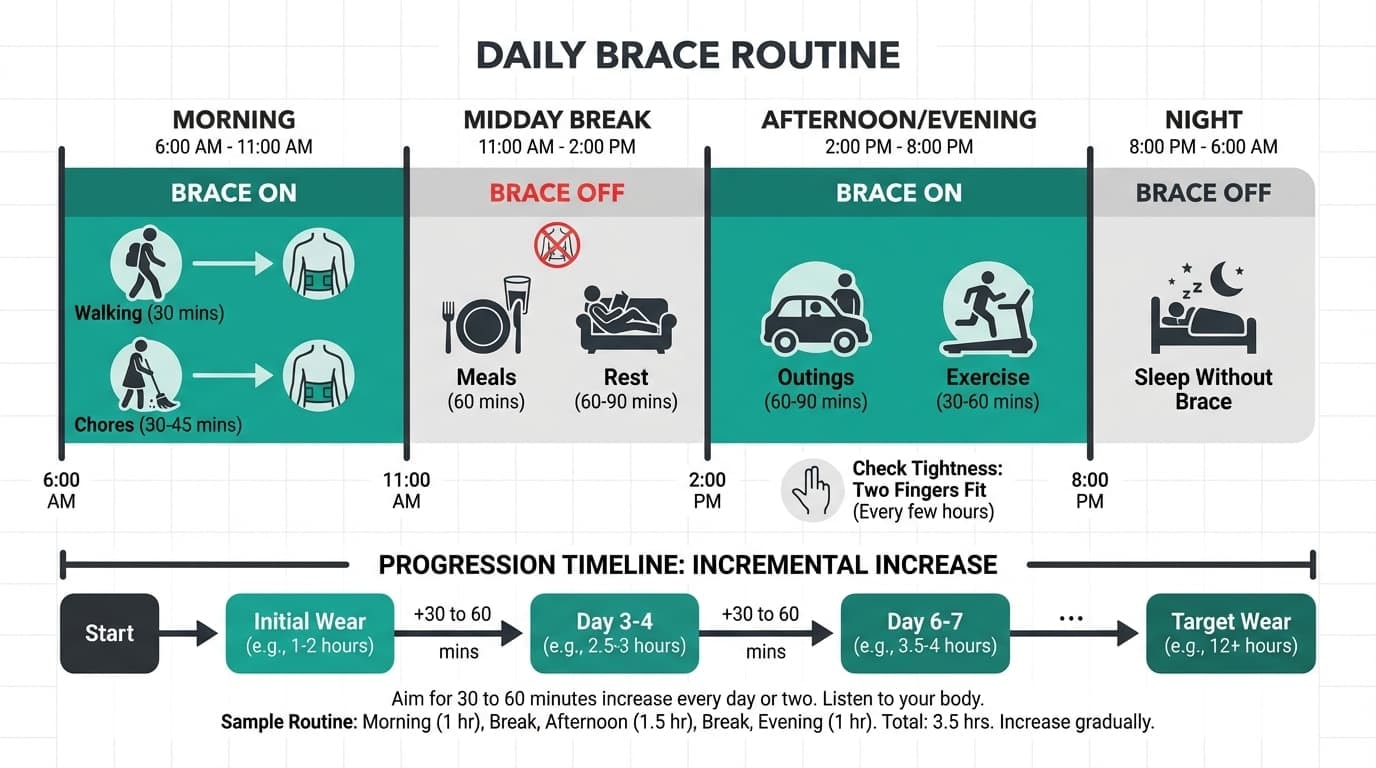
How and when you wear your knee brace each day can impact how well your knee heals. A consistent daily routine helps protect the joint during activity, reduces pain, and supports recovery without causing stiffness or over-reliance.
How to Safely Use and Wean Off a Knee Brace
Getting used to a knee brace and eventually phasing it out is a gradual process. To support healing while avoiding stiffness or muscle weakness, it’s important to build a balanced routine. Here’s how to do it right.
1. Starting Brace Use
If you're new to wearing a knee brace, start slow. Begin with 30 to 60 minutes of light activity, such as walking around the house. Avoid wearing it all day from the start unless your doctor instructs you to. This gives your skin, muscles, and knee joint time to adjust.
Ensure a proper fit by verifying you can slide two fingers under the top strap; this indicates sufficient compression without restricting arterial blood flow.
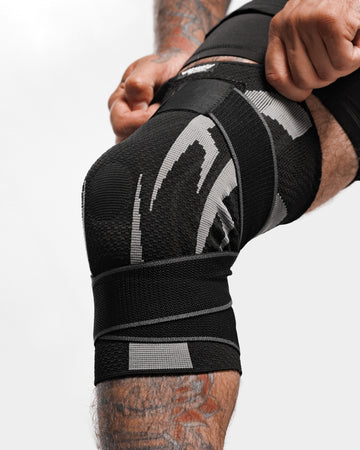
A well-fitted option like the Anaconda Knee Brace makes the early days more comfortable, thanks to breathable materials and joint-aligned support.
2. Progressing to Longer Wear
Once you’re comfortable, gradually increase wear time. Add 30 to 60 minutes every day or two, especially during higher-risk activities like walking, errands, physical therapy, or long periods of standing. Focus on wearing the brace when your knee is under stress—not while you’re sitting or resting.
A sample routine might look like:
-
Morning: Brace on during walking, light chores, or therapy
-
Midday: Remove for meals, rest, or desk work
-
Afternoon/Evening: Brace on for outings, exercises, or longer standing
-
Night: Off during sleep unless your doctor says otherwise
Check your skin daily and watch for swelling or discomfort. If anything feels off, scale back and consult your provider.
3. Tapering Off
As your strength, balance, and confidence improve, begin to reduce brace use. Start by removing it for low-risk indoor activities, then gradually reduce wear time throughout the day.
A gradual taper might look like:
-
Week 6: Brace on for all walking and activity
-
Week 8: Off indoors, worn only outdoors or during therapy
-
Week 10+: Use only for exercise, stairs, or uneven terrain
If you notice pain, swelling, or instability after removing the brace, pause the transition and return to a higher support level. Always follow your provider’s guidance.
What Is the Recommended Transition Timeline?
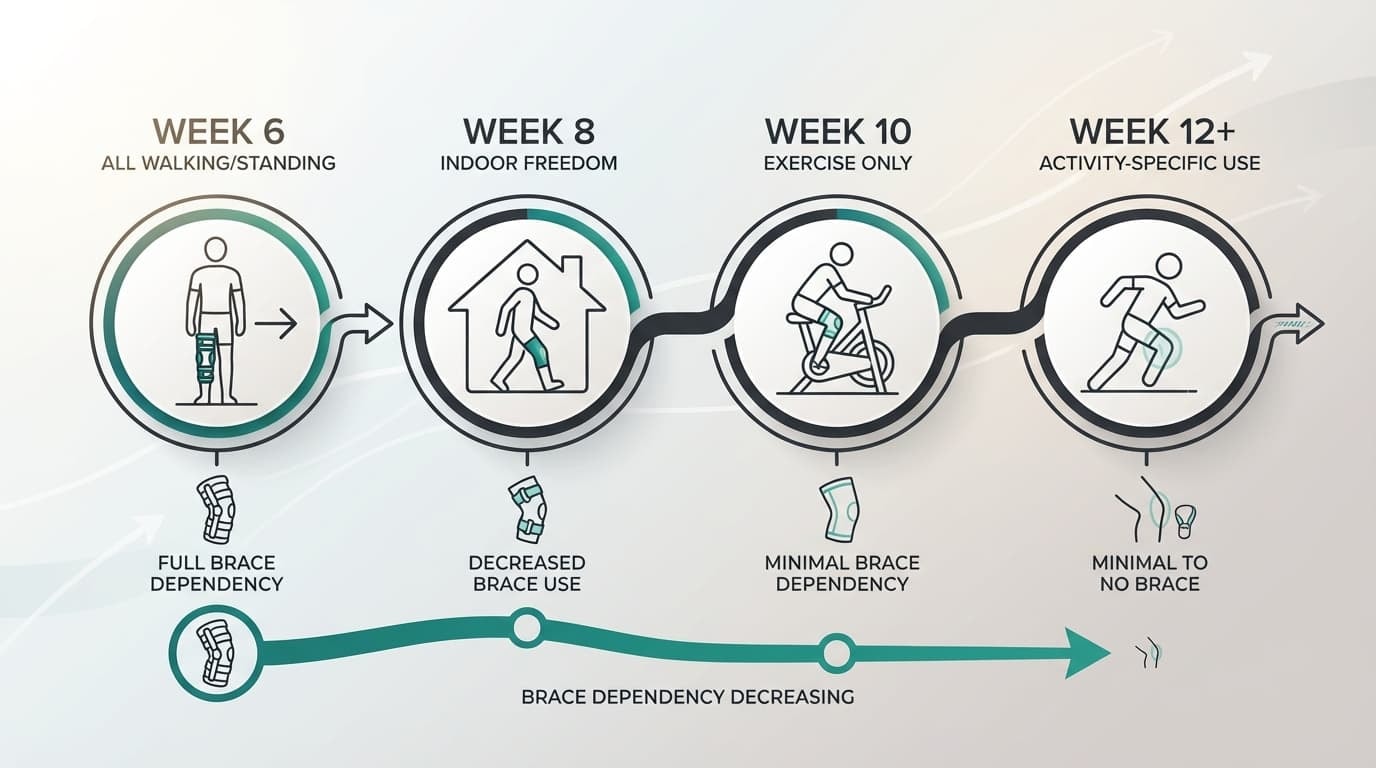
While timelines vary, many patients follow a pattern similar to this:
-
Week 6: Brace worn for all walking and standing
-
Week 8: No brace indoors. Brace used outdoors, on stairs, and during therapy
-
Week 10: Brace worn only for exercise or uneven terrain
-
Week 12 and beyond: Activity only or sport-specific use
Progression should always be guided by comfort, strength, and stability rather than the calendar alone.
Listening to Your Body During the Process
Your knee provides valuable feedback. Learning to recognize normal healing discomfort versus warning signs helps prevent setbacks.
Normal sensations may include:
-
Mild stiffness when removing the brace
-
Temporary weakness early in weaning
-
Light soreness after exercise
Warning signs that require slowing down include:
-
Sharp pain during movement
-
Swelling that increases day to day
-
A sensation of slipping or buckling
-
Numbness or color changes below the brace
If these occur, return to the previous wear level and contact your healthcare provider for guidance.
Tracking Progress Improves Outcomes
Keeping a simple daily record can significantly improve recovery decisions.
Track:
-
Hours the brace was worn
-
Pain levels before and after wear
-
Activities performed
-
Any swelling, tightness, or instability
This information helps your physical therapist or doctor determine whether you are ready to progress or need additional support.
Should You Sleep with a Knee Brace On?
The length of time you should wear a knee brace depends on several important factors, including your diagnosis, injury severity, stage of healing, and your doctor’s or physical therapist’s guidance. There is no universal timeline that fits everyone. A brace that helps one person recover faster may slow another's progress if worn too long or too short.
In clinical practice, brace duration is based on the degree of knee stability needed, the tissue's vulnerability during healing, and the strength of the surrounding muscles supporting the joint. Below are evidence-based timeframes used in orthopedic and rehabilitation settings.
Duration Based on Condition
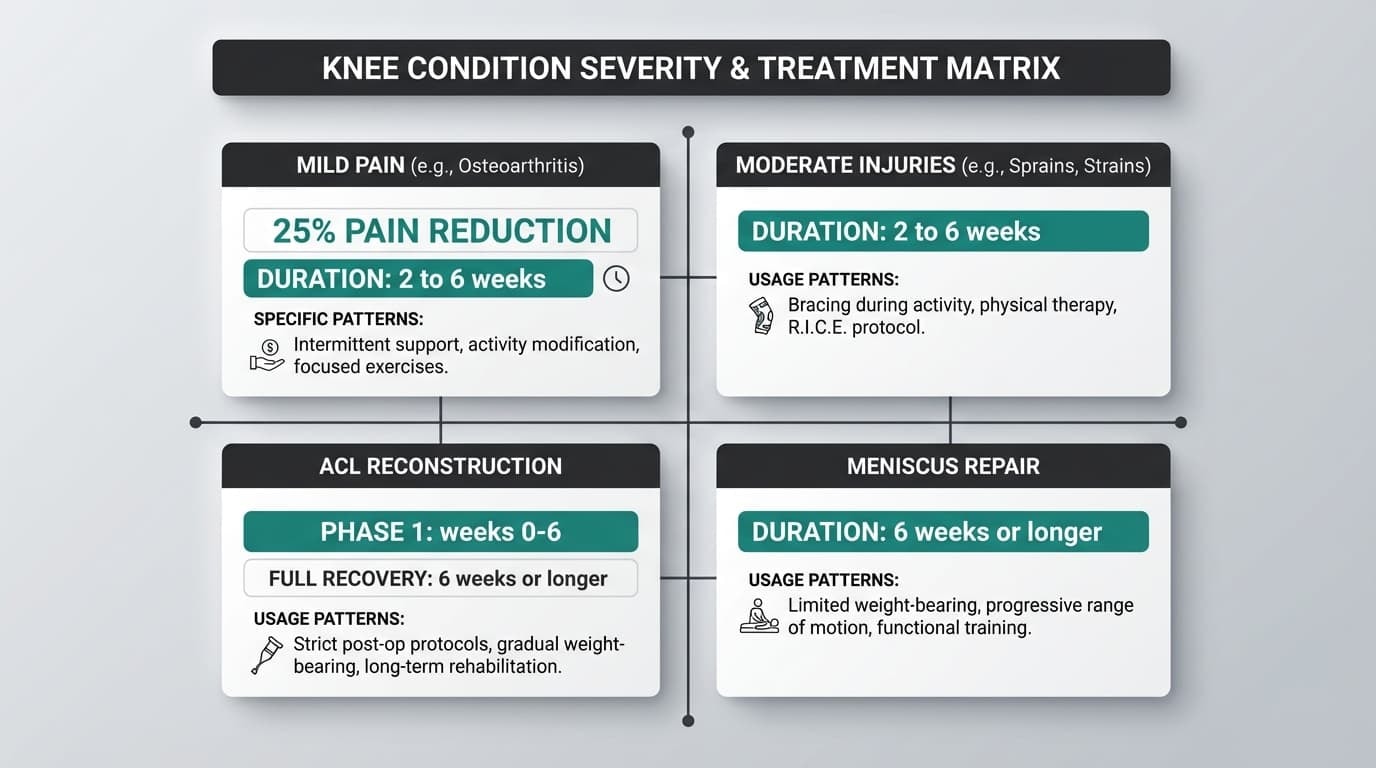
Brace duration varies based on your condition, injury severity, and recovery stage. The right timeline depends on how much support your knee needs to heal safely.
For Mild Pain and Chronic Conditions
Mild knee pain often develops from overuse, early arthritis, muscle imbalance, or repetitive stress rather than structural damage. In these cases, the brace is used as a support tool rather than a full-time medical device.
Typical examples include early osteoarthritis, runner’s knee, patellar tracking issues, and general knee soreness from activity.
Recommended approach
-
Wear the brace only during activities that place stress on the knee, such as walking long distances, standing for extended periods, exercise, or work shifts
-
Remove the brace during rest, desk work, and sleep
-
Use alongside corrective exercises that improve strength and movement patterns
Most people wear a brace for several weeks to a few months, gradually reducing use as symptoms improve.
2023 clinical trials demonstrate that activity-based offloader bracing reduces pain scores by 25% in patients with medial compartment osteoarthritis.
The long-term goal is not permanent bracing but restoring muscle control so the knee can function independently.
For Moderate to Severe Pain or Non-Surgical Injuries
Moderate injuries involve partial ligament damage, confirmed meniscus tears managed conservatively, or significant swelling and instability without surgery.
Common examples include:
-
Stable meniscus tears
-
Bone bruises or traumatic knee contusions
In these situations, bracing is more protective and worn more consistently.
Typical duration
-
Two to six weeks of daily brace wear
-
Brace worn during most weight-bearing activities
-
Removed only for rest, hygiene, and rehabilitation exercises
During early recovery, the brace limits excessive movement and reduces strain on healing tissue. As pain decreases and strength improves, patients gradually shift toward activity-only use.
Clinical evidence shows outcomes are best when brace use is combined with physical therapy rather than used alone.
After Surgical Recovery
Post-surgical bracing follows structured orthopedic protocols designed to protect repairs during their weakest phase.
ACL Reconstruction
-
Weeks 0 to 6: A hinged brace is worn during all walking and standing. Often locked initially, then unlocked as quadriceps control improves.
-
Weeks 6 to 12: Brace worn mainly for outdoor walking, uneven ground, and rehabilitation sessions.
-
Months 3 to 12: Some athletes transition to sport-specific braces during the return-to-play period, at the surgeon's discretion.
Research shows that early protective bracing reduces graft strain and helps prevent instability during the critical healing window.
ACL or MCL Repair
Combined ligament repairs typically require:
-
Full-time brace wear for the first 6 weeks
-
Gradual reduction to activity based wear through weeks 6 to 12
-
Ongoing support during rehabilitation exercises
Duration is adjusted based on joint stability, swelling, and neuromuscular control.
Meniscus Repair
Meniscus tissue heals slowly due to limited blood supply.
Typical bracing includes:
-
Immobilizer brace for the first 2 to 3 weeks
-
Transition to a hinged brace with restricted motion
-
Total brace use often lasts 6 weeks or longer
Strict compliance significantly reduces re-tear risk and protects the repair while the meniscus integrates.
Total Knee Replacement
Not all knee replacement patients require a brace, but when prescribed, it is usually for short-term safety.
-
Typical use lasts 2 to 4 weeks
-
Focus is on alignment, support, and fall prevention
-
Discontinued as gait normalizes and quadriceps strength returns
Long-term recovery depends far more on rehabilitation exercises than continued bracing.
Osteoarthritis and Long-Term Knee Conditions
For moderate to advanced knee osteoarthritis, braces are often used as part of long-term symptom management.
Unloader braces and supportive designs help redistribute joint forces away from damaged cartilage.
Typical wear pattern
-
Brace worn during walking, standing tasks, work shifts, and physical activity
-
Removed during rest or sedentary periods
Duration
-
Months to years, depending on disease progression and comfort
Clinical studies show consistent brace use can:
-
Reduce pain by 15 to 25 percent
-
Improve walking endurance
-
Delay the need for joint replacement by several years in some patients
Long-term users should regularly reassess brace fit, as changes in weight, swelling, or joint alignment can affect comfort and effectiveness.
Beyond Duration: What Other Recovery Factors Influence Healing?
How long you wear a knee brace is just one piece of the puzzle. The type of brace, your rehab program, rest habits, and follow-up care all influence your recovery journey.
The Specific Knee Brace You Wear
Different brace designs serve different purposes:
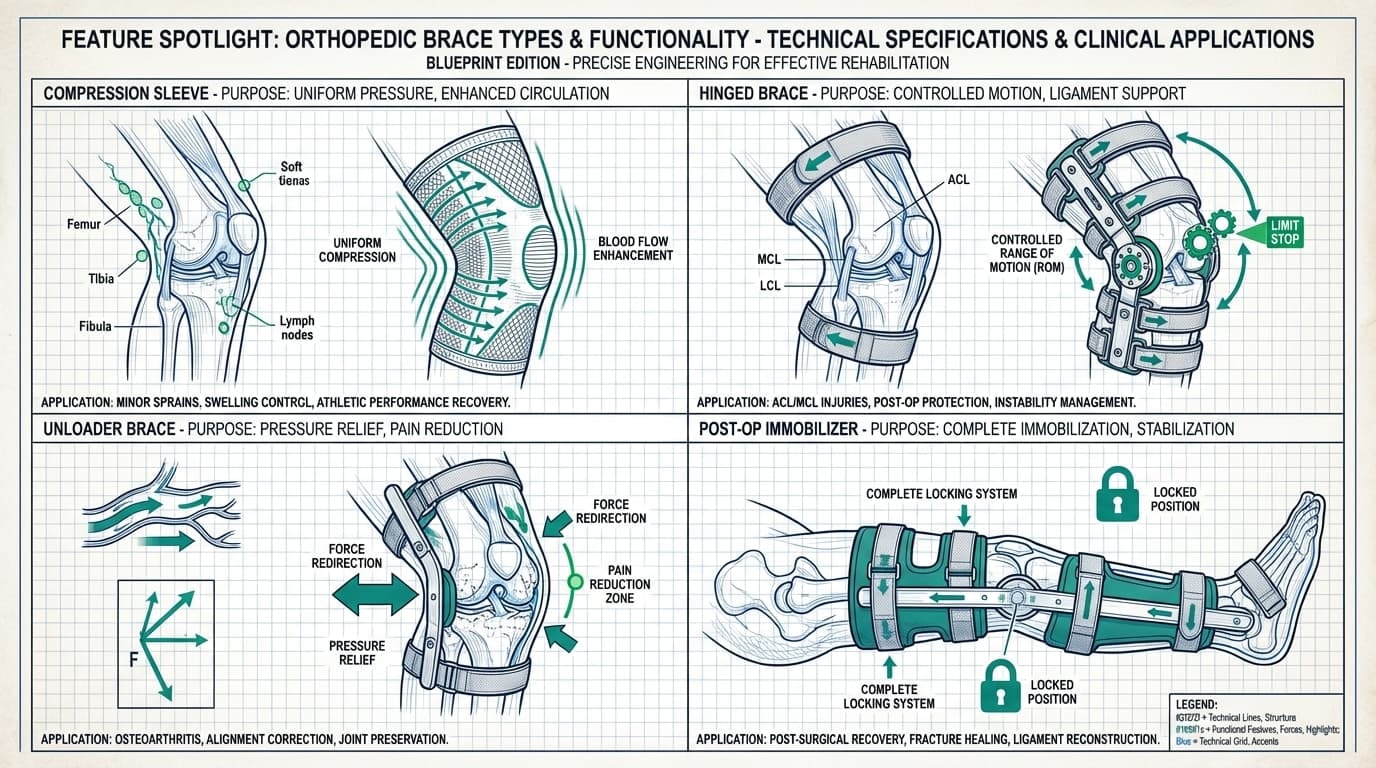
Choosing the right brace for your diagnosis matters more than picking any generic support. Features that improve comfort for longer wear include breathable fabrics, adjustable straps, and anatomically contoured frames.
A well-fitting knee brace is easier to wear for the prescribed hours and more likely to deliver the stability and pain relief you need. Consider working with an orthotist or physical therapist for custom-fitted options if over-the-counter braces don’t work well.
Exercise and Physical Therapy Still Matter Most
A knee brace should support recovery, not replace rehabilitation. Without targeted strengthening, the joint may feel protected temporarily but remain weak underneath.
Physical therapy focuses on restoring strength, coordination, and joint control through progressive exercise. Common components include quadriceps activation, hamstring strengthening, glute engagement, calf conditioning, and balance training.
Early in recovery, the brace is often worn during higher‑risk movements such as standing exercises or walking drills. As strength improves, therapists gradually introduce controlled movements without the brace to rebuild confidence and neuromuscular control.
Patients who combine brace use with consistent physical therapy regain mobility faster and achieve better long‑term outcomes than those who rely solely on bracing.
Rest, Recovery, and Nutrition
Healing does not happen only during exercise. Your body rebuilds tissue during rest.
Adequate sleep allows collagen repair and muscle recovery. Scheduled rest days prevent overload. Proper protein intake supports muscle regeneration, while hydration keeps joint tissues healthy. Nutrients such as vitamin D and calcium play an important role in bone strength and recovery after injury or surgery.
The goal is balance. Too much activity can delay healing, but complete inactivity leads to stiffness and weakness. Smart brace use, paired with controlled movement, helps you progress safely.
Ongoing Medical Follow‑Up
Regular check‑ins with your doctor or physical therapist help fine‑tune your recovery plan. Follow‑ups often occur at 2 weeks, 6 weeks, and 3 months, depending on your condition.
Bring your brace to each visit so fit and alignment can be reviewed. Share how many hours you wear it, when discomfort occurs, and how your knee feels during daily activities. These details help your provider decide when to increase activity or begin reducing brace dependence.
Imaging or functional testing may also guide when it is safe to return to higher‑impact movement or sport.
Final Thoughts
How long you wear a knee brace plays a key role in your recovery, but it’s only one part of a bigger picture. Whether you’re managing mild discomfort, healing from knee surgery, or supporting a chronic condition like osteoarthritis, the right brace combined with a personalized treatment plan can help reduce pain, improve joint stability, and protect your knee from further damage.
To get the best results, focus on comfort, stay consistent with your physical therapy, and check in regularly with your healthcare provider. Your knee's recovery is personal, and your care plan should reflect your unique needs.
Looking for a brace that supports your goals and feels good to wear? Talk to your provider about options like the Anaconda Knee Brace, which helps you move with confidence while promoting long-term knee health.
Your journey to a stronger, more stable knee begins with the right support. Take that step today.
FAQs
Can wearing a knee brace for too long in one stretch be harmful?
Yes, wearing a knee brace too long without breaks can cause issues if it's too tight or poorly fitted. To avoid problems, check for numbness or skin changes and take short breaks unless your provider advises continuous wear.
Will I become dependent on my knee brace if I wear it for months?
No, you won’t become physically dependent on the brace if you keep up with strengthening exercises. As your knee improves, gradually reduce wear time under your therapist’s guidance.
Can I wear a compression sleeve under or instead of my knee brace?
Many post-op or hinged braces can be worn over a thin compression sleeve to reduce friction—just Yes, you can wear a thin compression sleeve under your brace to reduce friction if it doesn't interfere with the fit. But a sleeve alone offers less support than a hinged or rigid brace, so ask your provider what’s right for you.
Does wearing a knee brace affect blood clot risk?
Yes, wearing a brace too tightly or for immobile periods >4 hours can increase DVT risk. 2024 orthopedic guidelines recommend checking for calf tenderness and ensuring you can slide two fingers under the strap to maintain healthy circulation.
Is it normal for my knee to feel strange or weak when I first remove the brace?
Yes, it’s normal to feel some stiffness or shakiness when you first stop using your brace. These sensations usually fade with time and rehab, but report any major pain or instability to your provider right away.






![How Long Should You Wear a Knee Brace? [Ultimate Guide to Maximize Recovery]](http://anacondafightwear.co/cdn/shop/articles/How_Long_Should_You_Wear_a_Knee_Brace_26a1ef4d-6a7f-4b6f-9499-d5e24daf9626.jpg?v=1769715635&width=533)
