![How Long Does a Knee Injury Take to Heal? [Essential Insights and Tips]](http://anacondafightwear.co/cdn/shop/articles/How_Long_Does_a_Knee_Injury_Take_to_Heal.jpg?v=1764885786&width=2000)

Knee injury recovery time varies by severity, ranging from 1 to 3 weeks for mild sprains to 6 to 12 months for surgical cases like ACL reconstructions. Healing speed depends on the tissue involved, the patient's age, and adherence to a structured rehabilitation plan.
This guide details recovery timelines, diagnostic steps, and evidence-based treatment options.
Key Takeaways
-
Knee injury recovery time varies significantly based on injury severity, age, and adherence to rehabilitation plans, with minor sprains healing in 1-3 weeks and severe injuries taking several months.
-
Rehabilitation and physical therapy are essential for effective recovery from knee injuries, with a structured program aimed at strengthening the knee and preventing reinjury.
-
Preventive measures, including strength training and flexibility exercises, are crucial for reducing the risk of knee injuries and ensuring long-term joint health.
Factors Affecting Knee Injury Healing Time

Not all knee injuries are created equal, and neither are their recovery timelines. Whether you're dealing with a mild sprain or a severe ligament tear, several key factors can influence how long your injured knee takes to heal.
Here’s what really matters when it comes to getting back on your feet.
Remember, Injury Type and Severity Matter Most
The most significant factor is the severity of the knee injury itself. A mild knee sprain might heal in just a few weeks, especially with proper rest and physical therapy.
But more complex cases, like a torn anterior cruciate ligament or a medial collateral ligament, can take several months or even up to a year to recover fully.
When multiple structures in the knee joint are involved, such as a combination of knee ligament injuries, healing takes longer and often requires surgery followed by extended rehabilitation. Even simple fractures around the knee joint can take six to twelve weeks, depending on the overall condition of the injured knee.
Your Age Plays a Big Role
Healing also depends on your age.
Younger people tend to bounce back more quickly, thanks to stronger tissue regeneration. A 2024 study on knee recovery after total knee arthroplasty found that although older adults heal more slowly, they still experience significant improvements with a tailored rehab plan. So, while age can affect the pace, it doesn't have to impact the outcome if the treatment is right.
Rehab Can’t Be Skipped
Following a physical therapy program is one of the most critical steps in recovery. Strengthening exercises, guided movement, and consistent treatment can significantly improve the rate of healing of the knee joint. Whether the injury involves the anterior cruciate ligament ACL, medial collateral ligament, or another part of the knee, physical therapy helps restore function and reduce knee pain.
Inconsistent adherence to rehabilitation protocols directly leads to joint stiffness and increases the risk of re-injury by leaving the supporting musculature weak.
Your Mindset and Support System Matter Too
Psychological factors, including motivation and self-confidence, directly influence recovery outcomes and return-to-sport timelines.
A 2023 study published in the National Library of Medicine confirms that positive self-talk and goal setting significantly improve rehabilitation adherence, while fear of re-injury remains a primary barrier to recovery. Addressing these mental hurdles is as critical as physical therapy, as patients with a positive mindset are statistically more likely to achieve full functional restoration.
Different Ligaments, Different Timelines
The specific ligament involved also changes the recovery picture. A tear in the posterior cruciate ligament or lateral collateral ligament may require different treatments and healing times than an injury to the anterior cruciate ligament. Even within the same injury type, the size and location of the ligament tear will affect how long it takes to heal.
How Long Do Different Knee Injuries Take to Heal?
Knee injuries are a leading cause of orthopedic care, with incidence rates estimated at 2.29 cases per 1,000 people annually. According to a 2023 analysis by the National Library of Medicine, emergency departments continue to see high volumes of acute knee trauma, particularly among the 15 to 24 age group.
Recovery times vary depending on the type and severity of the injury, how early treatment begins, and how consistently a rehabilitation plan is followed. Here's what to expect with the most common types of knee injuries.

Mild Knee Sprains (Grade 1)
A Grade 1 knee sprain is the most minor type of ligament damage. It usually involves slight stretching or microtears of a knee ligament, typically from awkward movement or light impact. You might experience mild swelling, stiffness, and a sore knee, but the joint remains stable and functional.
Most people recover in 1 to 3 weeks using the RICE method (rest, ice, compression, and elevation) along with light movement as pain subsides. These injuries rarely require formal rehab, though avoiding strain on the injured knee is important.
In the U.S., knee pain is one of the top reasons people seek medical care, contributing to nearly 3 million outpatient and emergency visits each year.
If you're managing symptoms at home and wondering whether to use heat or cold, this guide can help you choose the best approach.
Moderate Knee Sprains (Grade 2)
A Grade 2 knee sprain involves a partial tear of the ligament, often causing noticeable pain, swelling, and instability in the knee joint. These injuries are more common than mild sprains in contact sports or during sudden directional changes.
Recovery typically takes 3 to 6 weeks, though in more severe cases it may stretch to 12 weeks. Bracing is often used early on to limit motion, followed by physical therapy to rebuild strength and restore mobility.
Among U.S. athletes, knee injuries account for 41% of all sports injuries, many of which fall under this moderate category. Prompt rehab is key to preventing further complications.
Severe Sprains and Complete Ligament Tears (Grade 3)
Grade 3 injuries involve a full ligament tear, usually of the anterior cruciate ligament ACL, medial collateral ligament, or both. These injuries are especially common in high-impact sports or traumatic falls, and they lead to significant instability and loss of function in the knee joint.
Without surgery, recovery generally takes 8 to 12 weeks, but surgical cases often require 6 to 12 months of structured rehabilitation.
Each year, about 400,000 ACL reconstruction surgeries are performed in the United States, reflecting the frequency of complete tears. These injuries are most common in adolescents and young adults, particularly during competition.
Meniscus Tears
The meniscus is the shock-absorbing cartilage inside the knee joint, and tears are common in both athletic and older populations. Symptoms often include pain, clicking, swelling, or a locked feeling in the joint.
Minor tears on the outer edge of the meniscus usually heal within 4 to 6 weeks with conservative treatment such as rest, bracing, and physical therapy. Larger or centrally located tears, however, often require surgery, with recovery typically taking 3 to 6 months.
Surgical timing significantly impacts outcomes, with early intervention yielding higher success rates. A 2025 systematic review in the American Journal of Sports Medicine found that meniscus repairs performed within 3 weeks of injury had a failure rate of only 7.2%, compared to 15.3% for those delayed beyond 3 weeks. This data underscores the importance of immediate MRI diagnosis to determine whether a repairable tear requires urgent surgical attention and to identify differences in recovery outcomes.
ACL Injuries (Anterior Cruciate Ligament)
The anterior cruciate ligament ACL is one of the most commonly injured knee structures, especially in athletes who jump, pivot, or land abruptly. Among high school athletes, ACL injuries have increased by 25.9% over the last 15 years, now occurring at a rate of 7.3 per 100,000 athlete exposures. Girls’ sports are experiencing higher injury rates and faster growth than boys’ sports.
ACL tears represent over 14% of all knee injuries in this group. The overall U.S. population experiences roughly 1 ACL injury per 3,500 people annually, resulting in an average of 400,000 surgeries each year.
Recovery depends on the treatment path:
-
Non-surgical recovery takes about 3 to 6 months for lower-demand individuals
-
Post-surgical rehab takes around 6 to 12 months for athletes or active people
Approximately 80 to 85% of patients return to sports, but younger athletes under 25 face a 10 to 14% re-injury rate. Supervised physical therapy and gradual return-to-play timelines are essential to avoid setbacks.
Looking to reduce your risk? These running injury prevention tips are a great resource.
Knee Fractures
Fractures of the knee joint, including breaks in the thigh bone, shin bone, or kneecap, are serious injuries often caused by direct trauma, falls, or motor vehicle accidents. These fractures can significantly affect mobility and joint alignment.
The initial healing period for bone is about 6 to 8 weeks. Still, full recovery, including restored strength and mobility, usually takes 3 to 6 months or longer, depending on the injury’s complexity and whether surgery is required.
During this time, weight-bearing is limited. Once healing is confirmed through imaging, physical therapy helps prevent stiffness, rebuild muscle, and improve joint mechanics.
Among U.S. high school athletes between 2005 and 2011, knee injuries occurred at a rate of 2.98 per 10,000 athlete-exposures, with more injuries occurring during competition than during practice.
How Knee Injuries Are Diagnosed
Getting an accurate diagnosis is the first step toward proper treatment and a full recovery. Whether your knee injury occurred suddenly or gradually worsened over time, a careful evaluation ensures the best possible recovery. It also helps prevent complications such as chronic pain, instability, or stiffness.
Initial Evaluation
When you meet with a healthcare provider, the diagnostic process begins with a detailed medical history and a physical exam. Your provider will likely ask how the injury occurred, what symptoms you’re feeling, and whether you heard or felt a popping sound when it happened, which can indicate torn ligaments.
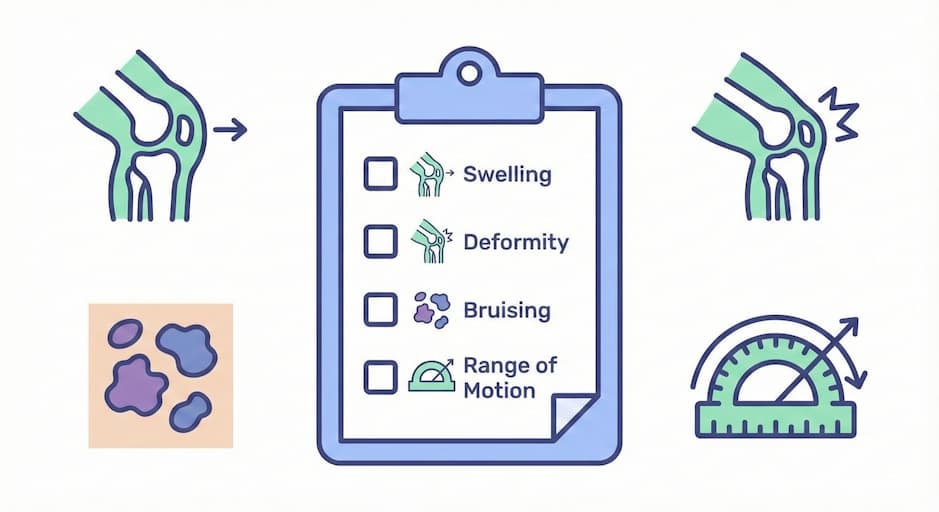
During the physical exam, the doctor will assess:
-
Swelling and joint fluid
-
Deformity or abnormal knee shape
-
Discoloration or bruising
-
Tenderness around the ligaments or joint line
-
Range of motion
-
The ability to bear full weight or walk
-
Signs of instability, which may suggest Grade II or Grade III sprains or tears
These hands-on assessments help determine whether the injury is mild or involves torn ligaments, bone damage, or something more serious that might require surgery.
Imaging Tests
If more detail is needed, your healthcare provider may recommend imaging to get a clearer view of the damage.
-
X-rays are typically used to rule out fractures.
-
MRI scans are excellent for detecting injuries to soft tissues such as ligaments, cartilage, and tendons.
-
Ultrasound may be used to assess swelling, fluid buildup, or visible tears.
-
In some cases, CT scans provide 3D detail for complex injuries involving bone or joint structure.
MRI is beneficial when the injury involves a suspected Grade II or Grade III tear, or if surgery is being considered. It helps confirm the extent of the damage so the treatment plan can be precisely tailored.
Additional Testing
Occasionally, your doctor may order blood tests, particularly if there’s concern about infection or inflammatory joint disease. These tests are not routine but may be needed if symptoms don’t match a typical mechanical injury or if swelling appears without a clear cause.
Some evaluations may happen immediately in the clinic. In contrast, others may require follow-up over the next few hours or days, especially if swelling prevents a complete physical exam right away.
Why Proper Diagnosis Matters
Misdiagnosing or delaying treatment can lengthen recovery time, increase the risk of needing surgery, and make a full recovery more complicated to achieve. A precise diagnosis enables your experienced team to develop a treatment plan tailored to the injury type and your activity level.
What Are the Best Treatment Options for Knee Injuries?
Every knee injury needs a treatment plan that matches its severity, the structures involved, and your lifestyle.
Whether you’re managing a partial ligament injury or recovering after surgery, the goal is to reduce pain, minimize swelling, and stabilize the joint during healing. Your healthcare provider will guide you toward the best approach, which may involve non-surgical care, surgery, or both.
Non-Surgical Treatment Options
Many knee injuries, particularly those without complete ligament tears, respond well to non-surgical care. These methods focus on supporting the body's natural healing while protecting the injured area from further stress.
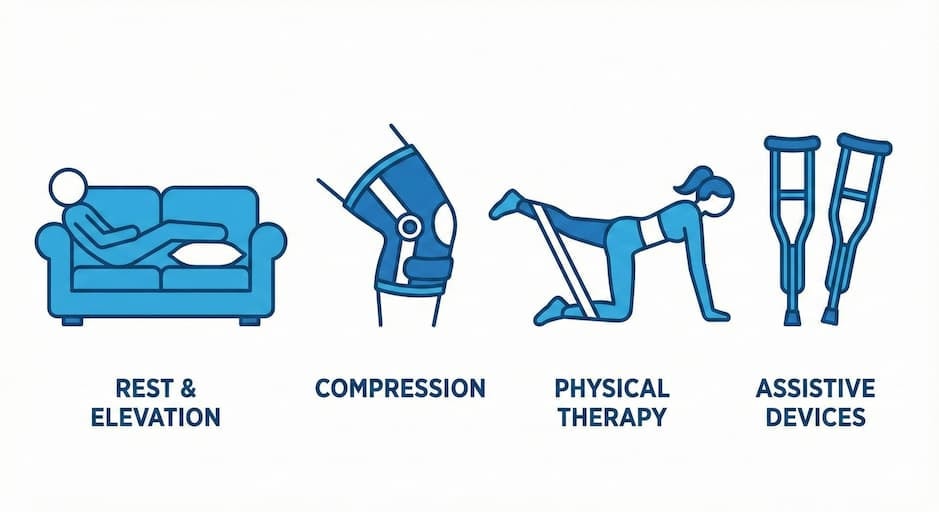
Treatment often includes:
-
Rest and elevation to reduce swelling
-
Compression using wraps or braces
-
Targeted physical therapy to improve mobility and build strength
-
Temporary use of assistive devices to reduce pressure on the joint
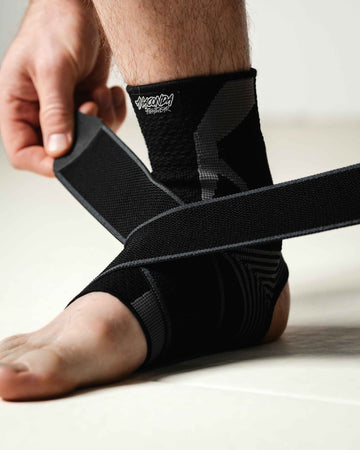
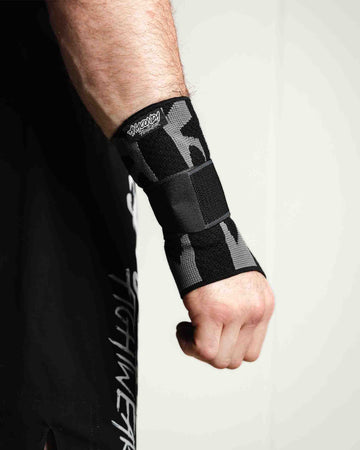
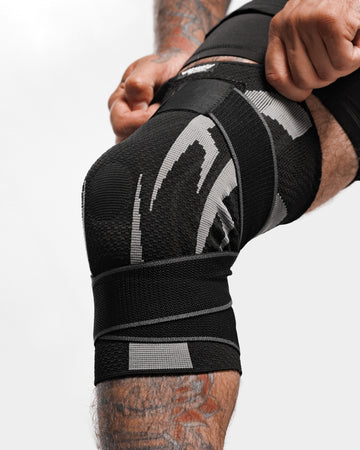
When it comes to bracing, quality matters. In our analysis of supportive gear, we recommend the Anaconda Knee Brace for Grade II and III sprains because its gel padding acts as a shock absorber while the grip-lined design prevents the slippage common in standard neoprene sleeves.
Its gel padding absorbs impact while allowing full mobility, and its grip-lined design ensures it stays in place even during intense training. For many users, it helps reduce daily stiffness and supports faster recovery time.
Mild to moderate injuries often show significant improvement within the first 1 to 3 weeks, especially with consistent care. Bracing, controlled movement, and strength-building exercises help the ligaments and surrounding muscles regain function without overloading the healing tissue.
If you're dealing with discomfort that doesn’t seem to stem from a direct injury, this guide can help you explore causes of knee pain without injury.
Surgical Interventions for Severe Injuries
When an injury involves a complete ligament tear, bone damage, or significant joint instability, surgery is often required. These procedures are typically reserved for:
-
Complete Grade III tears
-
Injuries affecting multiple ligaments
-
Structural damage that limits joint function
-
Cases where non-surgical care has not succeeded
Surgical reconstruction, such as ACL or MCL repair, may use a graft to replace or reinforce the torn ligament. Recovery following surgery can take anywhere from several months to over a year, depending on the injury’s complexity and the athlete’s return-to-play goals.
After surgery, rehabilitation becomes the focus. Your care team will guide you through:
-
Progressive strength training
-
Mobility and flexibility work
-
Joint control and neuromuscular training
-
Gradual return to bearing full weight
Patients who follow their rehab plans closely are more likely to achieve full recovery, with less lingering pain and fewer long-term complications. If you're curious about how long different types of sprains typically take to heal, this post breaks it down.
Why Is Rehabilitation Critical for Recovery?

Rehabilitation is a critical part of healing after a knee injury. While treatment helps manage pain and reduce swelling, recovery truly takes shape through a structured rehabilitation program. A well-designed plan restores strength, supports the joint, and helps prevent re-injury in the long term.
Successful rehab focuses on gradual progression. Whether you’re recovering from a ligament tear or post-surgery, the right exercises, supervised care, and consistent effort can significantly improve outcomes.
The Different Phases of Recovery
A rehabilitation program typically progresses through several stages, each building on the last:
-
Mobility and swelling control: Early exercises aim to reduce stiffness, maintain joint range of motion, and manage inflammation.
-
Strength and stability training: Once mobility improves, therapy shifts toward strengthening the muscles that support the knee. This includes exercises that improve balance, control, and muscle coordination.
-
Sport-specific and functional prep: In the final stages, patients practice movements that mimic real-life or athletic activity. Exercises that strengthen the knee in valgus (inward) positions are essential for athletes returning to cutting or pivoting sports.
Studies show that following this phased approach can reduce re-injury risk by over 25 to 30 percent compared to unstructured rehabilitation.
Why Acting Early (and Staying Consistent) Changes Everything
It may feel tempting to resume full activity once the pain subsides, but rushing recovery can lead to serious setbacks. Research shows that returning to sports before 9 months post-injury or surgery increases the risk of re-injury by up to 50%.
In most cases, the average duration of physiotherapy for severe knee injuries, including ACL reconstruction, is between six and nine months. This timeline aligns with the body’s natural healing process and gives patients time to regain stability, confidence, and full function.
The Lasting Wins You Get From Physical Therapy
A strong rehab plan not only helps you return to your routine but also protects your knee in the future.
However, recovery is not always a straight line. Some days will bring progress, others may feel slower.
The most important factor is consistency. By sticking to your program, attending appointments, and following your healthcare provider’s instructions, you give your knee the best chance at full recovery and long-term strength.
What Can Go Wrong if You Skip Treatment
Without proper treatment, knee injuries can progress into long-term conditions that limit mobility, reduce performance, and affect overall quality of life. One of the most common consequences is chronic knee pain, often triggered by untreated ligament damage, cartilage breakdown, or repeated stress on a weakened joint.
Chronic pain can gradually lead to degenerative conditions. Osteoarthritis, for example, is expected to affect nearly 1 billion people worldwide by 2050. In many cases, the condition begins years earlier with an improperly healed Grade I sprain, ignored swelling, or inadequate rehabilitation after an injury.
Delays in seeking care or skipping recommended rehab can also complicate recovery. Even mild injuries benefit from professional evaluation and, in many cases, imaging tests like magnetic resonance imaging to rule out more serious damage.
A physical therapist plays an essential role in helping identify functional weaknesses and guiding safe movement patterns that support healing. Following their guidance and adhering to your provider’s plan can prevent escalation to more serious conditions.
For mild cases such as sprains or ligament strains, this guide on how to heal a sprained knee quickly outlines helpful steps, including rest, ice, compression, and proper support.
How Can You Prevent Future Knee Injuries?
Preventing a knee injury is far easier than recovering from one. Most common injuries can be avoided by strengthening supporting structures and improving the body's load and impact handling.
Key strategies include:
-
Strength training to build muscle around the knee, especially the quads, hamstrings, and glutes
-
Flexibility exercises to maintain a healthy range of motion in the hips, knees, and ankles
-
Balance and proprioception training to increase joint awareness and improve control during movement
-
A consistent warm-up and cool-down routine is also crucial. Educating athletes and active individuals on body mechanics can make a significant difference.
-
Functional exercises that mimic real-life movements, such as squatting, lunging, and pivoting, help the knee joint adapt to everyday stresses.
-
Supportive gear may also play a role in prevention. Suppose you're active in high-impact sports or recovering from a previous injury.
Making prevention part of your daily routine helps you stay mobile, active, and free from setbacks, and ensures your knees can carry you through everything from workouts to daily life without discomfort.
A Few Takeaways Before You Go
Knee injuries vary widely, from minor sprains to severe ligament tears and fractures. Each type requires a different approach, and understanding the factors that influence recovery is key to managing your healing process effectively. Accurate diagnosis, proper treatment, and a personalized rehabilitation plan are all essential steps toward full recovery.
Patience, consistency, and support from healthcare professionals can make a significant difference. Following your treatment plan and incorporating preventive strategies can help restore strength, reduce the risk of re-injury, and support long-term knee health.
Supportive tools like the Anaconda Knee Brace can enhance your recovery and training by providing stability without sacrificing mobility. Whether you are healing or staying proactive, the right brace can give you the confidence to move safely.
Frequently Asked Questions
Quick answers to common questions about knee injuries, recovery, and treatment.
How long does it take for a minor knee sprain to heal?
A minor knee sprain usually heals within 1 to 3 weeks, with pain and swelling often resolving in 1 to 2 weeks when treated with the RICE protocol.
What is the recovery time for an ACL injury?
The recovery time for an ACL injury generally ranges from 3 to 6 months for non-surgical treatment, and 6 to 12 months for surgical cases, with higher activity levels potentially extending this to 12 months. It is crucial to follow a tailored rehabilitation plan for optimal recovery.
How are knee fractures treated?
Knee fractures are typically treated with rest, immobilization, and possibly surgery, depending on the severity. Recovery generally involves an initial healing phase of 6-8 weeks, but full recovery may take 3-6 months or longer.
What are the potential complications of untreated knee injuries?
Untreated knee injuries can lead to chronic pain and may result in osteoarthritis, severely impacting your quality of life. Addressing these injuries promptly is crucial for preventing long-term complications.
How can I prevent knee injuries?
To prevent knee injuries, focus on strength training, flexibility, balance, and proper warm-up and cool-down techniques. Incorporating these strategies into your routine can significantly reduce the risk of injury.